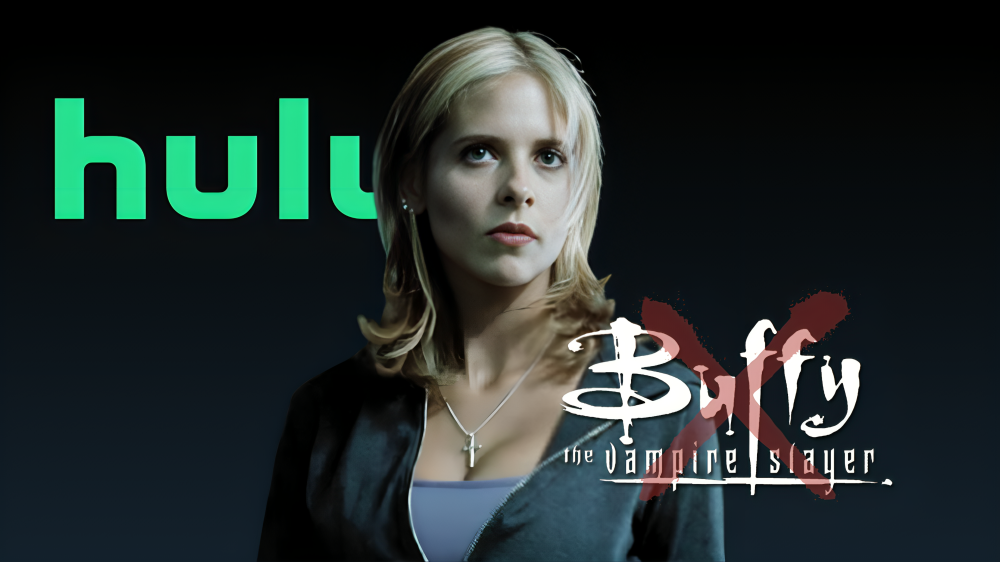

Buffy the Vampire Slayer Revival Canceled: What Went Wrong [Explained]
There was a moment, very brief, but real, when it felt like Buffy the Vampire Slayer was finally coming back in a meaningful way. Not a remake.. not a cheap reboot.. but a continuation. Something that could sit beside the original and actually matter.
That project had a name floating around: Buffy: New Sunnydale. It was being built as a sequel series for Hulu, with 20th Television and Searchlight Television behind it. And for a second, it looked serious.
Then it died! quietly.... after the pilot.
A Strong Team… On Paper
On the surface, everything looked right.
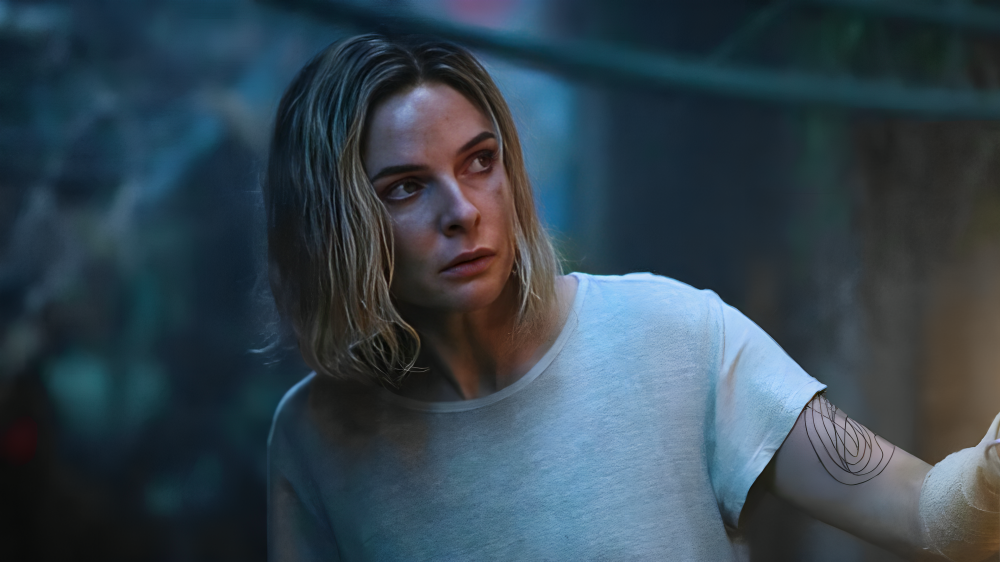
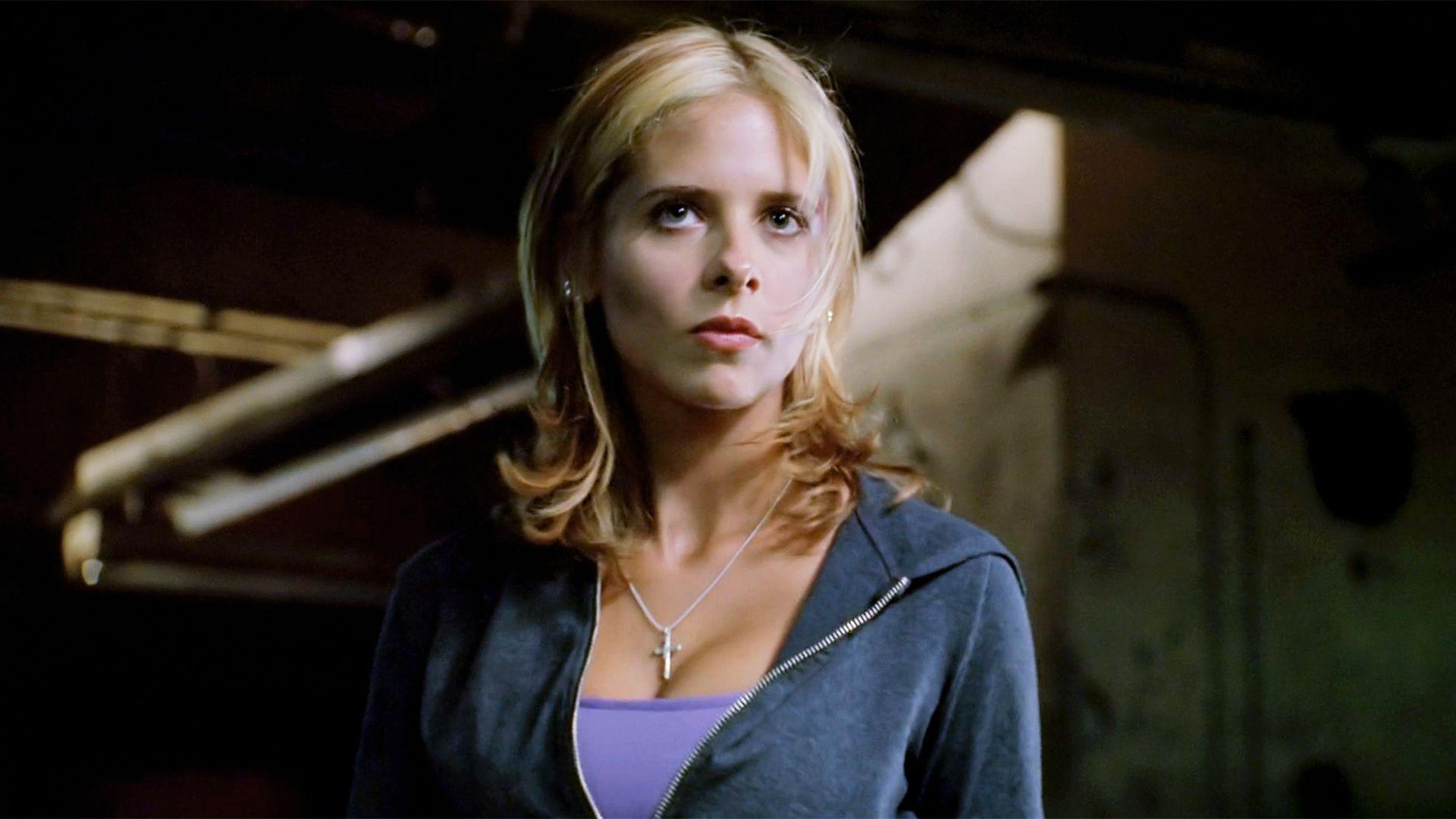
Sarah Michelle Gellar was back. Not just as Buffy, but as an executive producer. That alone carried weight. For a lot of fans, that was the green light.
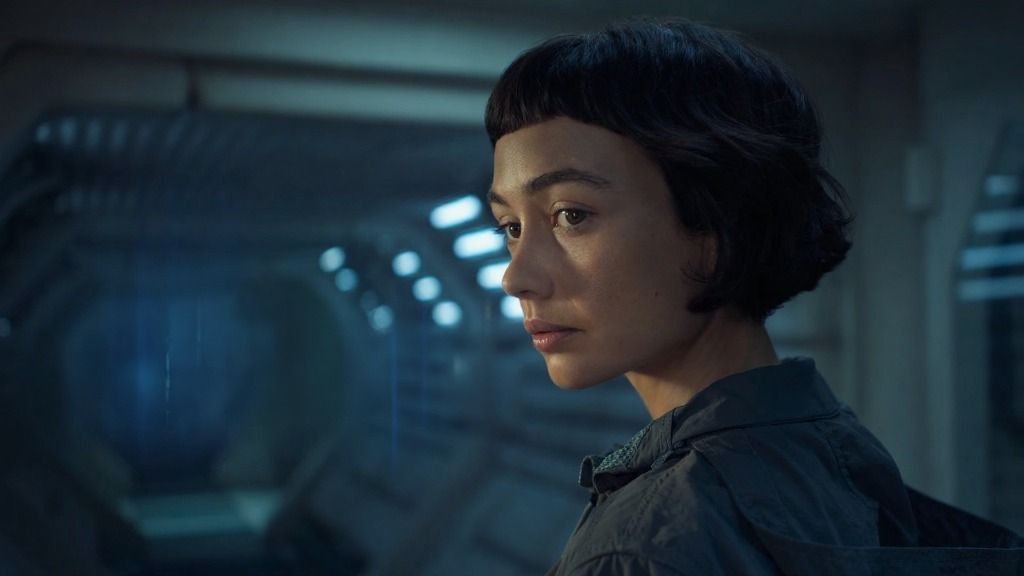
The new slayer role went to Ryan Kiera Armstrong, while Chloé Zhao, an Oscar-winning director and a genuine fan of the original, was set to direct the pilot. The script came from Nora Zuckerman and Lilla Zuckerman.
It wasn’t a low-effort revival. It had talent, budget, and backing.
And still, it collapsed!
You Might Like

The Complete Isaac Asimov's Foundation Series Books
Complete 7-book set of Isaac Asimov’s Foundation series — the ultimate sci-fi saga spanning the rise and fall of a Galactic Empire.
 By using these links, you help support SciFi Spiral at no extra cost
Why Hulu Pulled the Plug
After the pilot was completed and reviewed, Hulu decided not to move forward.
The internal feedback wasn’t subtle. The pilot was described as “not perfect” and “not very strong”. There were also concerns that Zhao’s directing style didn’t align with the tone that made Buffy work in the first place.
Then there’s the part that’s harder to ignore.
Sarah Michelle Gellar openly talked about an executive who wasn’t a fan of the original series and made that very clear during production. Reports later pointed to Craig Erwich, president of Disney Television Group.
That detail alone explains a lot. It’s difficult to revive something iconic when key decision-makers don’t even connect with what made it iconic.
The cancellation news reached Gellar on a Friday night during SXSW, just days before the Oscars, where Zhao was nominated. Timing like that says everything about how abruptly this ended.
Join the Spiral
Join 2,000+ Sci-Fi Fans and Get daily SciFi news, reviews, and updates straight to your inbox
We respect your privacy. Read our privacy policy. Unsubscribe anytime.
What the Show Was Trying to Be
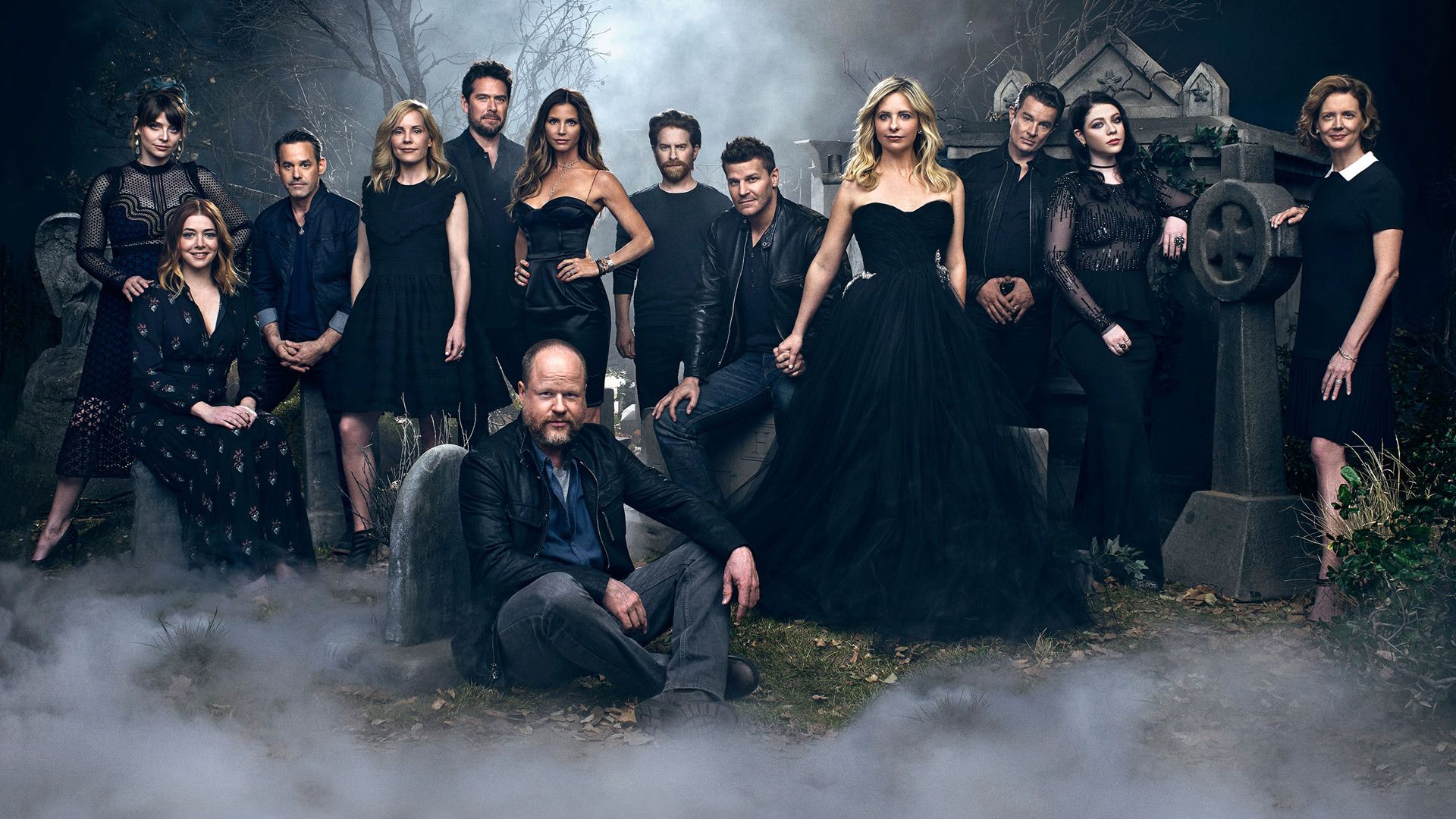
The story wasn’t a direct continuation in the way many expected.
It was set in a modern Sunnydale, where the town’s dark past had turned into a tourist attraction. Buffy herself had become more of a legend than a presence.
The new lead, a girl named Nova, would discover her powers and step into the slayer role. Early script leaks suggested Buffy would barely appear in the pilot, living under the alias “Anne Summers” as an insurance agent. Later rewrites reportedly expanded her role, but first impressions stuck.
Some of the tone choices didn’t land well either. Dialogue like calling a vampire kill “unaliving” raised eyebrows fast.
And there was that familiar streaming tactic, hold back the legacy character, build mystery, stretch it out. The “Surf Dracula” problem. Fans have seen it before.
The Reaction: Anger, Then… Something Else
At first, the reaction was loud! Fans pushed back hard online. Some talked about canceling their Hulu subscriptions. Others were frustrated they never even got to see the pilot. That part stings, because it removes the audience from the decision completely.
It’s hard not to feel like that’s a lack of respect. People waited years to see Buffy return, only to be told it wasn’t worth continuing without ever being shown why.
And then something shifted. Relief started creeping in, because the more details came out, the more this felt like a gamble that might not have paid off anyway.
The Bigger Problem With Revivals
There’s a pattern now.
Shows come back years later, but they rarely capture what made them work the first time. Will & Grace tried it. Arrested Development tried it. The results were… uneven at best.
Lightning doesn’t strike twice very often.. and Buffy isn’t just another show. It had a specific voice, shaped heavily by Joss Whedon and the original writers. Removing that foundation changes everything.
Trying to rebuild it without that core feels like guesswork.
Creative Direction That Divided Fans
Even before cancellation, there were doubts.
Centering the story on a new teenage slayer instead of an older Buffy didn’t sit right with everyone. There was interest in seeing Buffy in her 40s, dealing with a different kind of life. That angle barely got explored.
At the same time, there’s this ongoing debate—have the characters aged out of the original tone?
Some think yes. The coming-of-age energy doesn’t translate the same way anymore.
Others strongly disagree. People in their 40s and 50s still have stories worth telling. Different stories, sure, but not less meaningful.
The show never got far enough to answer that question.
What Could Have Worked Instead
There were better options sitting right there.
A prequel about a past slayer. An anthology exploring different slayers across time. A darker, more focused narrative without trying to recreate the high school formula.
Something new, without forcing it to mirror the original.
Instead, the project hovered in between—part continuation, part reset—and never fully committed to either!
Where It Leaves Buffy
Because Disney owns the IP, the project can’t be shopped elsewhere. That door is closed.
For now, Buffy stays where it ended.
And maybe that’s not the worst outcome.
There’s frustration, no doubt. Time was spent. People trained, committed, and walked away with nothing to show. Fans were brought in, then shut out.
But there’s also a sense that something risky was avoided.
Not every story needs to be reopened. Not every world benefits from being expanded endlessly like Star Wars.
Sometimes, leaving it alone preserves what made it special in the first place.
You Might Like
The Complete Isaac Asimov's Foundation Series Books
Complete 7-book set of Isaac Asimov’s Foundation series — the ultimate sci-fi saga spanning the rise and fall of a Galactic Empire.
By using these links, you help support SciFi Spiral at no extra cost
 Ava Harper