
Review
Project Hail Mary 2026: What Is It About? [Review]
Project Hail Mary arrived with a lot of expectations. The source novel by Andy Weir already had a reputation for mixing real science with entertaining storytelling, and the film adaptation clearly aims for the same balance.
Early reception suggests the gamble paid off. The film has already earned Certified Fresh status on Rotten Tomatoes with a 95% rating, a level of acclaim that very few sci-fi films have reached in recent years.
What makes the movie stand out, though, is how confidently it blends spectacle with curiosity.
Watching it feels like seeing several beloved sci-fi traditions collide in one place. The technical wonder of Gravity. The clever problem-solving humor of The Martian. And the emotional reach of Interstellar.
The result is something that feels surprisingly uplifting for a story about the possible end of humanity.
What the Story Is About
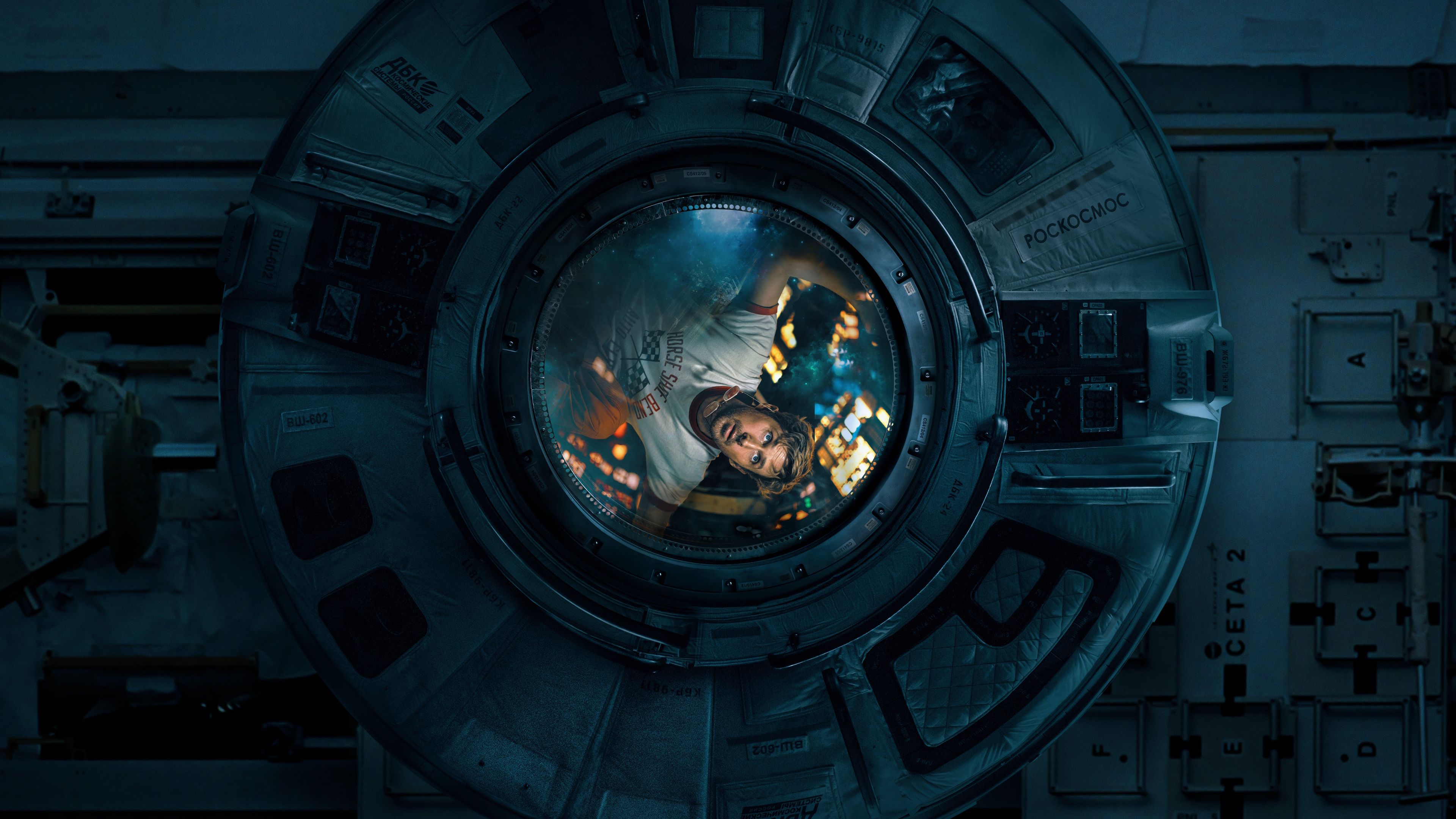
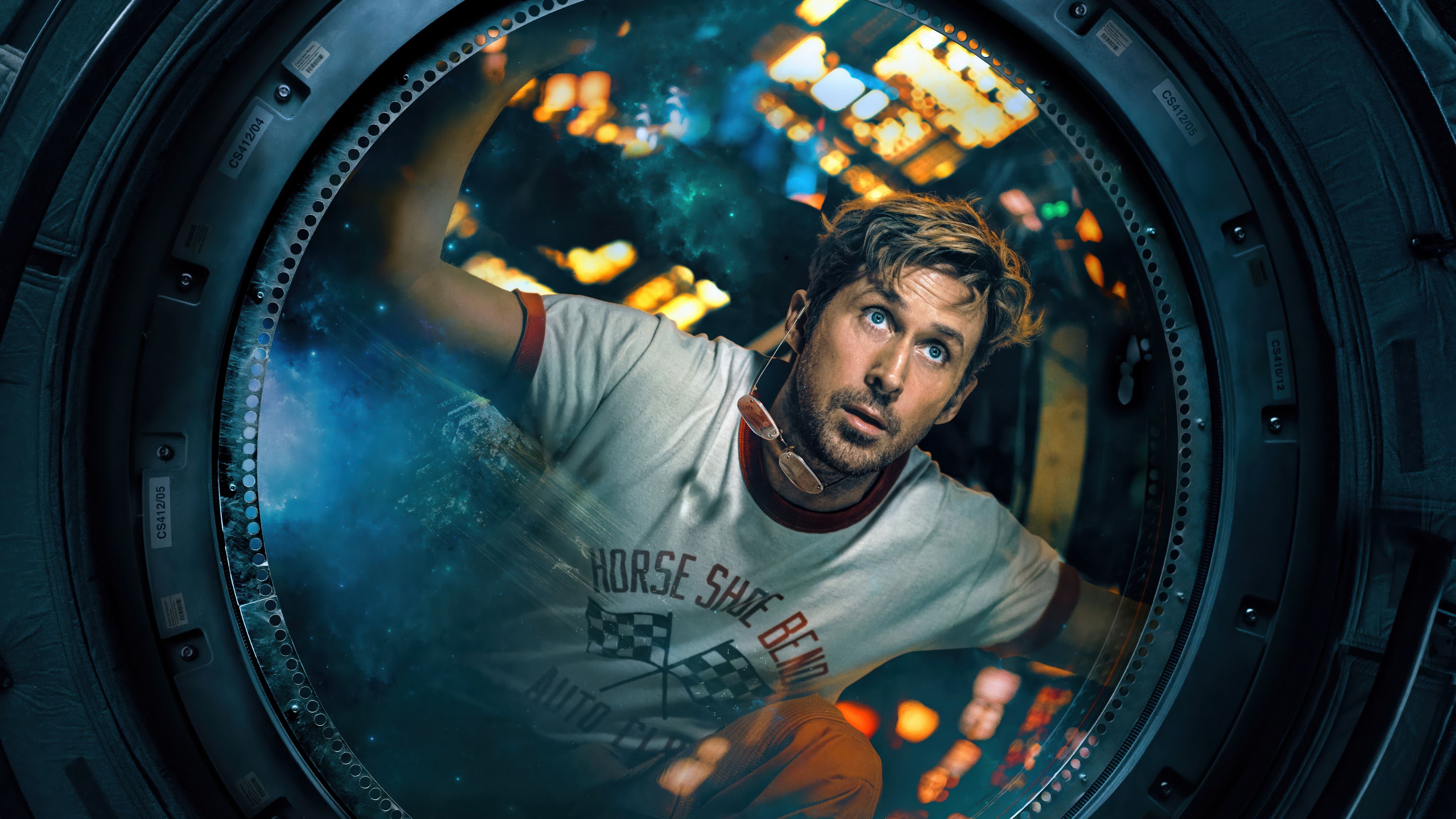
The story follows Ryland Grace, played by Ryan Gosling, a former middle-school science teacher who wakes up alone on a spacecraft with no memory of who he is or why he is there. As fragments of his past slowly return, he realizes he is the only surviving member of a last-ditch mission sent far beyond Earth. The reason is terrifying: something is causing the sun to fade, and if the mystery isn’t solved, life on Earth will eventually disappear. Armed with his scientific instincts and a growing understanding of the problem in front of him, Grace begins working through the puzzle piece by piece. Along the way, he finds help from an unexpected alien companion, turning a lonely survival mission into a strange and hopeful collaboration aimed at saving humanity.
A Story Built on Knowledge, Not Combat
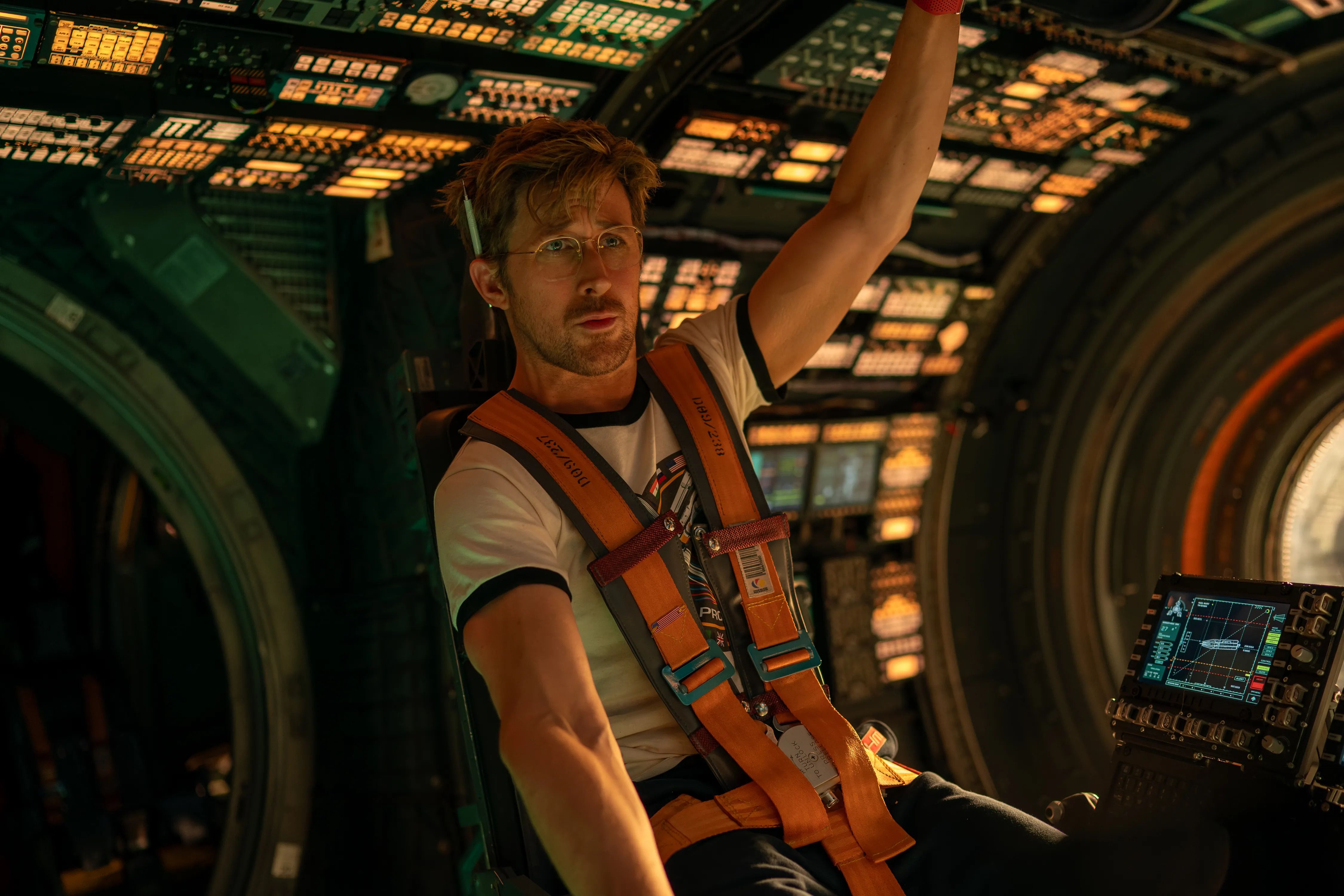
One of the most refreshing choices in the film is the way it frames humanity’s survival. The fate of Earth does not depend on a final battle or a heroic act of destruction. Instead, it depends on knowledge, curiosity and communication.
The main character, Ryland Grace, survives by thinking. He experiments, he fails, he tries again. The tension comes from solving puzzles rather than defeating enemies.
In a culture that sometimes treats science as distant or boring, the film turns scientific thinking into the engine of the story. Watching a character solve problems with patience and creativity becomes strangely thrilling, and the film leans into that spirit with confidence
 Join the Spiral
Join 2,000+ Sci-Fi Fans and Get daily SciFi news, reviews, and updates straight to your inbox
We respect your privacy. Read our privacy policy. Unsubscribe anytime.
Ryan Gosling Carries the Film
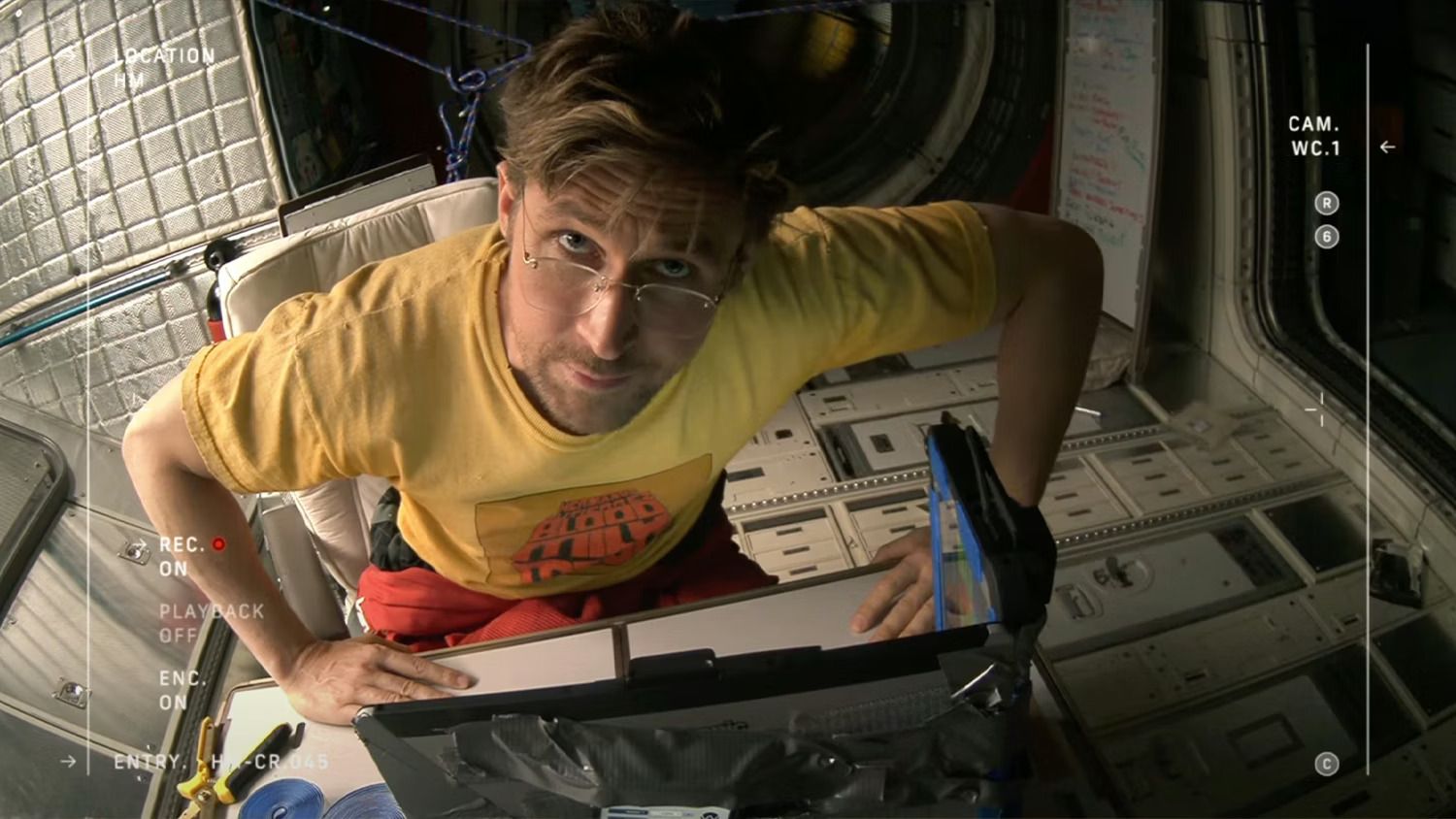
Ryan Gosling delivers what may be one of his most impressive performances in years.
For large stretches of the movie, the story is essentially a one-man show. That is not an easy task for any actor. Yet Gosling holds the screen with a mix of humor, confusion, and quiet determination.
His version of Ryland Grace is not a traditional action hero. He hesitates, doubts himself.. sometimes he panics.
But that vulnerability works in the film’s favor. It makes the scientific discoveries feel more human and the mission feel more fragile.
The Unexpected Heart of the Film
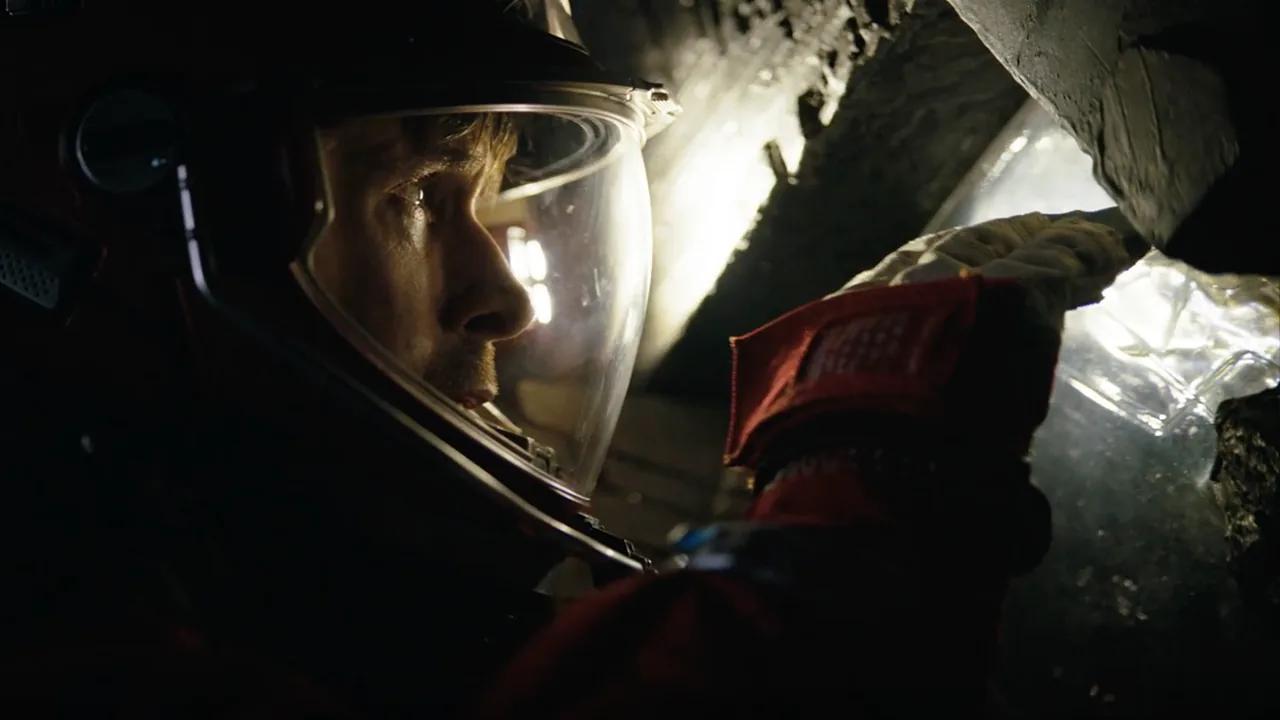
The emotional core of the story arrives in a form few viewers might expect: a friendship.
Grace’s relationship with the alien creature Rocky slowly becomes the center of the film. At first it feels strange. Communication is awkward. Both sides are cautious.
Then something remarkable happens.. they begin to understand each other.
The bond that forms between them carries a genuine sense of warmth. Their cooperation becomes the story’s strongest message: survival depends on collaboration, even across completely different forms of life.
It is easily the most memorable part of the film.
A Perfect Match of Directors and Material
The directing duo of Phil Lord and Christopher Miller turns out to be an inspired choice.
Their style brings energy and humor without undermining the scale of the story. There is a lightness in the way scenes unfold, even when the stakes are enormous. The film never feels heavy or overly serious. Instead, it moves with a playful sense of discovery, as if the audience is solving the mysteries alongside the characters. That tone helps keep the long runtime surprisingly engaging.
Craft That Feels Both Intimate and Cosmic
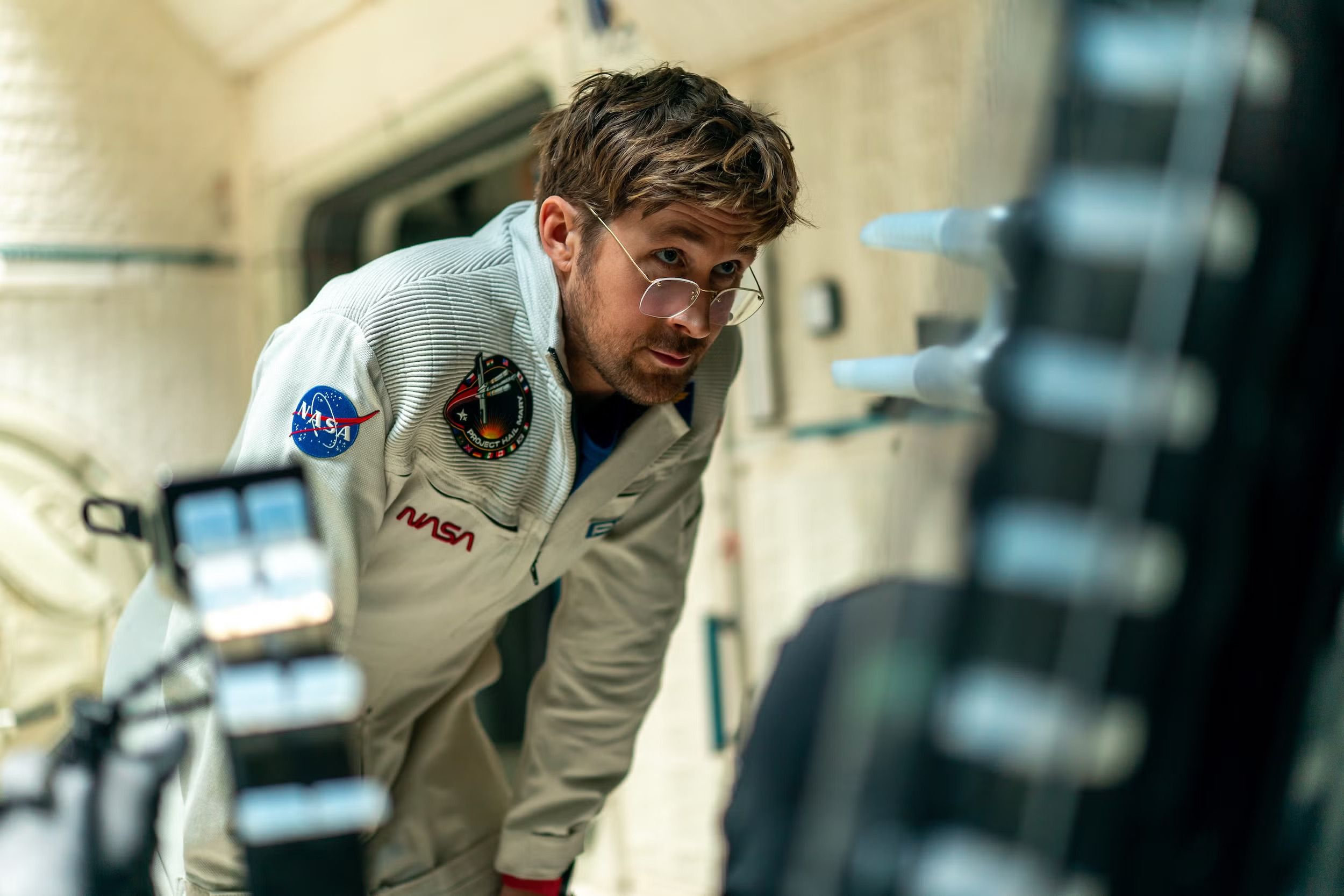
Technically, the film looks and sounds exceptional. Greig Fraser uses shifting aspect ratios to move between the loneliness of the spacecraft and the vastness of space. The effect creates a rhythm between quiet moments and large visual spectacle.
Meanwhile, Daniel Pemberton delivers a soaring musical score that amplifies the sense of wonder.
There is also an interesting design philosophy at work. The production leans into a style that feels inspired by older science-fiction cinema, echoing the sound and production design of late-1960s and 1970s films. The result gives the movie a slightly vintage texture while still feeling modern. It feels handcrafted rather than synthetic.
Where the Film May Divide Viewers
Not everything will work for everyone.
At over two and a half hours, some viewers may feel the film runs a bit long, while the puzzle-solving structure keeps things moving, certain sections can feel stretched!
The story’s tone may also divide audiences. The film is ultimately optimistic, even cheerful at times. For some critics, that lack of intense anxiety makes the drama feel softer than other space survival stories.
And then there is Rocky’s design.
The alien creature is unusual. Some will find him charming and memorable. Others may struggle with the design, which lacks expressive eyes and resembles something closer to a mechanical object than a traditional creature. It is a bold choice. But bold choices always carry risks!!
A Reminder of Why Sci-Fi Still Matters
Despite those small debates, the film succeeds in something more important. It captures a sense of wonder that many modern blockbusters struggle to reach.
There is curiosity in every scene. Discovery. The excitement of learning something new about the universe.
The film celebrates the human urge to explore and understand. That spirit runs through the entire story, from the smallest experiment to the largest cosmic revelation.
And by the time the credits roll, it becomes clear why so many people still fall in love with science fiction.

![Must-Watch Classic Sci-Fi Movies From the 70s and 80s [Updated]](https://cdn.sanity.io/images/cxjt2s84/production/8f94bdbd9cfaa989b997a695f3359384b064e8db-1000x562.png)
 Selene Czajkowski