
Analysis
Why Sci-Fi Shows Get Cancelled Early: The Season 2 Danger Zone
It started as a feeling I couldn’t really explain. A new sci-fi show would drop, people would get obsessed, theories would go wild, fan pages would explode… and then it would just vanish. No proper goodbye. No real ending. Just silence.
At first, I figured it was just bad luck. Not every show can survive, but the more I paid attention, the more I saw the same pattern repeating. That’s when I stopped ignoring it and actually looked into the numbers!
Before anyone asks, yes, I didn’t just make these stats up. I leaned on the hard data from people who actually track cancellations and industry patterns. The numbers in this article come from:
- Cancelled Sci‑Fi: tracks sci‑fi and fantasy show cancellations over the years, network by network.
- Wired: their deep dive into Netflix’s cancellation patterns helped me understand the streaming era angle.
- TVLine: gave concrete examples of shows that got cut too soon.
- Wikipedia / Official Sources: for dates, seasons, and confirmation of which shows ended early.
I wanted this piece to feel real, not just me ranting. These sources helped me put the personal observations in context, so you know when I say “1 out of 6 makes it past season 3”, it’s backed by actual data.
Netflix’s Brutal Reality
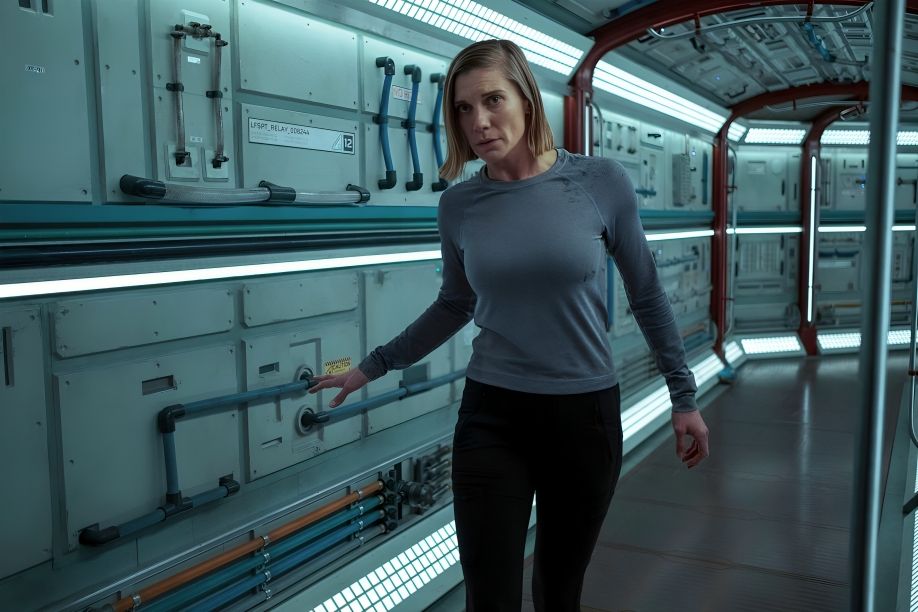
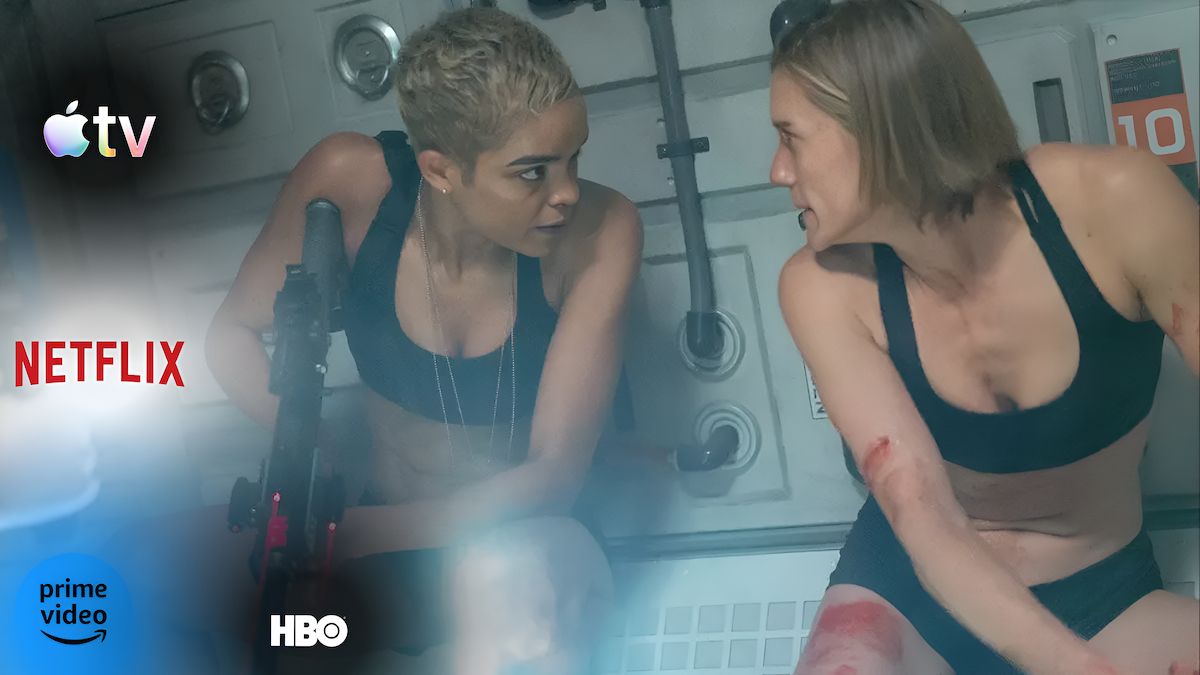
When you look at their sci-fi and fantasy catalog, it’s pretty brutal. Over a third of their genre shows ended after just one season. A huge wave disappears after season two. And only a rare few survive beyond season three. After around 2018, more than half of their sci-fi and fantasy shows didn’t even make it past the first season. No wonder modern sci-fi feels more like short experiments than long journeys.
Cost Is The Real Villain Behind The Scenes
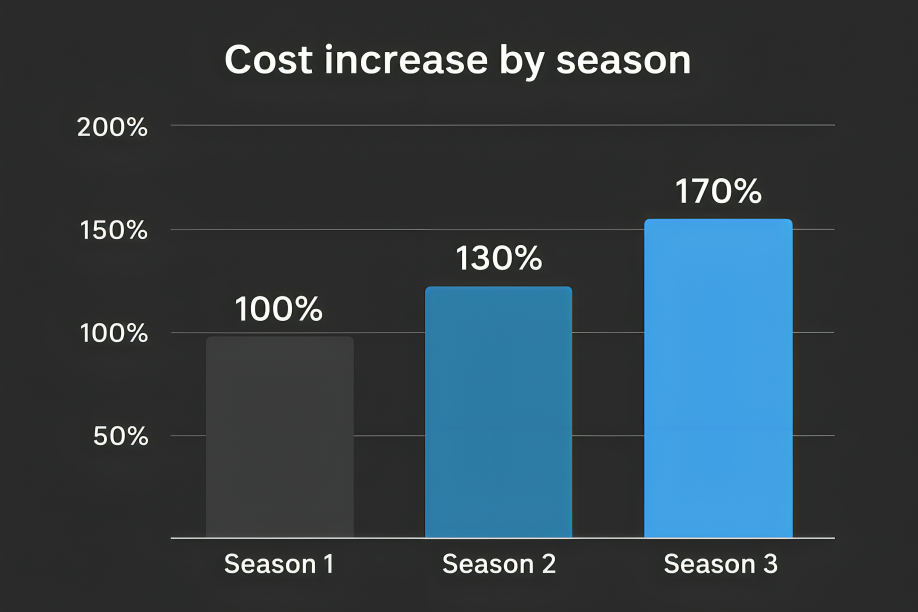
That made me ask an even bigger question: why? And the answer, unfortunately, is painfully simple:
Sci-fi is expensive.
Every new season means higher actor salaries, bigger action sequences, heavier CGI, more detailed worlds, and longer post-production. By the time a show reaches season three, it can easily cost 70% more than when it began. At that point, platforms aren’t thinking about story, heart, or potential anymore. They’re thinking about return on investment.
So the real question becomes: Is this show bringing in enough new subscribers to justify the cost? And more often than not, the answer is no.
That’s when the quiet cancellation happens.
 Join the Spiral
Join 2,000+ Sci-Fi Fans and Get daily SciFi news, reviews, and updates straight to your inbox
We respect your privacy. Read our privacy policy. Unsubscribe anytime.
Even Good Shows Didn’t Escape It
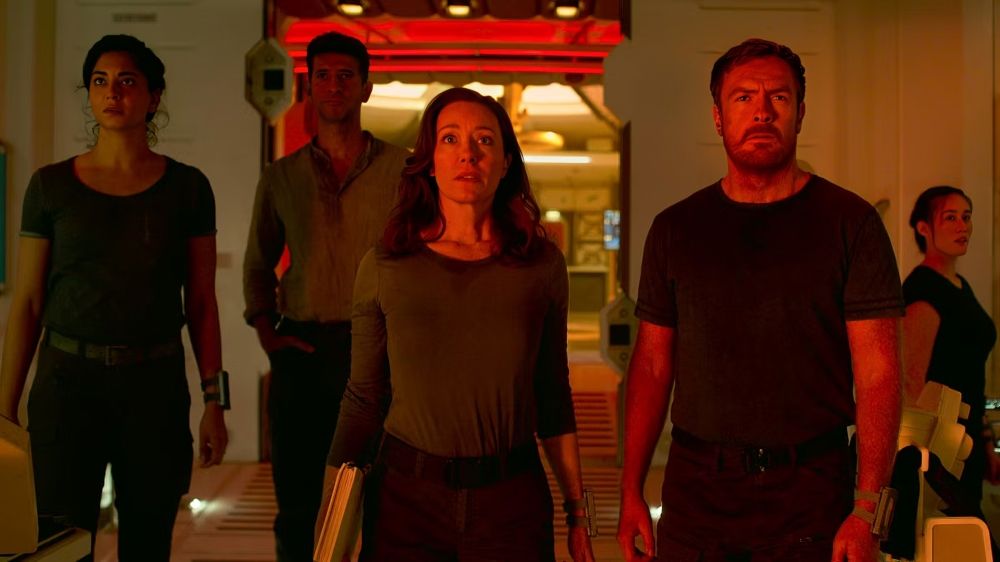
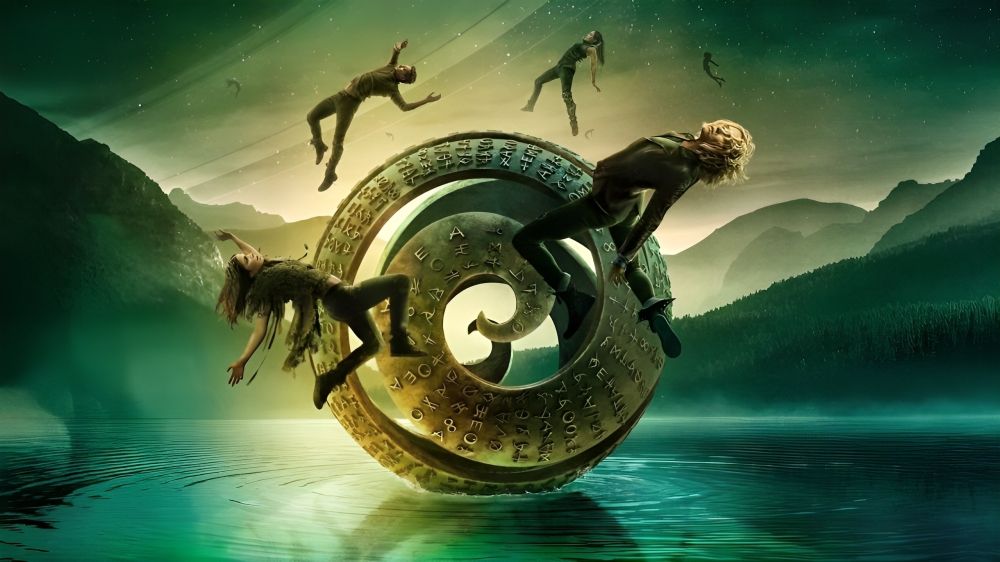
What makes it sting even more is that some of these shows were actually great. Raised by Wolves. Altered Carbon. The Peripheral. Scavengers Reign. Carnival Row. Lost in Space. Different styles, different stories — but the same fate for many of them.
Seeing that list made one thing painfully clear: quality and numbers were once the deciding factors, now, only numbers are.
Here, “quality” means how good a show really is, the writing, the acting, the world, the visuals, and how it makes people feel. In the past, shows were given time to grow. Networks cared about things like awards, fan loyalty, and long-term investment. Even if a show started slow, it could still get another season because it had potential. DVDs, reruns, and international sales also helped it survive and succeed.
“Numbers” are more about fast results. How many people pressed play. How quickly they watched. How many finished the season. And how many new subscribers signed up because of the show. Today, these numbers are checked almost immediately. If they’re not big enough fast enough, the show is often cancelled, no matter how good the quality is.
The Future of Sci-Fi
When you zoom out, the bigger picture doesn’t look much better. The 2–3 season death zone is slowly becoming the industry standard. If a show doesn’t explode into global popularity fast enough, it simply doesn’t get the time it needs to grow.
That’s especially devastating for sci-fi. This genre depends on world-building, slow reveals, and long-term storytelling. You can’t rush that without breaking it.
If the trend continues, we’re going to get more unfinished stories, more rushed finales, and fewer long-running sci-fi classics.
Which, honestly, makes me appreciate the rare ones that survive even more. Because reaching a fourth season today? That’s almost a miracle.
 Ava Harper