
Recap
Dead City Season 3 Episode 6 "Genesis" Recap: Maggie & Negan in Another Life

Episode 6 of Dead City Season 3, “Genesis,” is unlike almost anything the franchise has attempted before. Instead of spending the episode in a post-apocalyptic world, the story takes Maggie and Negan into a strange version of present-day New York where the apocalypse never happened.
It’s a bold experiment, and for a series this deep into its run, I appreciate that Seth Hoffman is willing to take a swing like this. The episode doesn't do much to move the main Dead City story forward, but it uses that freedom to explore something the franchise rarely gets to: who Maggie and Negan might have been without the apocalypse.
Unfortunately, Glenn never existed in this reality, but Beth Greene is alive and pursuing a music career. Negan has a successful career, an estranged son, and a completely different life. Maggie, meanwhile, is dealing with problems that feel remarkably ordinary compared to what we've seen her face for years. Yet despite everything being different, Maggie and Negan remain fundamentally the same people. That's where this episode becomes more than just a strange detour or a piece of fan service. It becomes a fascinating what-if story about whether these two people could ever escape the traits that keep pulling them toward each other.
A New York Where the Apocalypse Never Happened

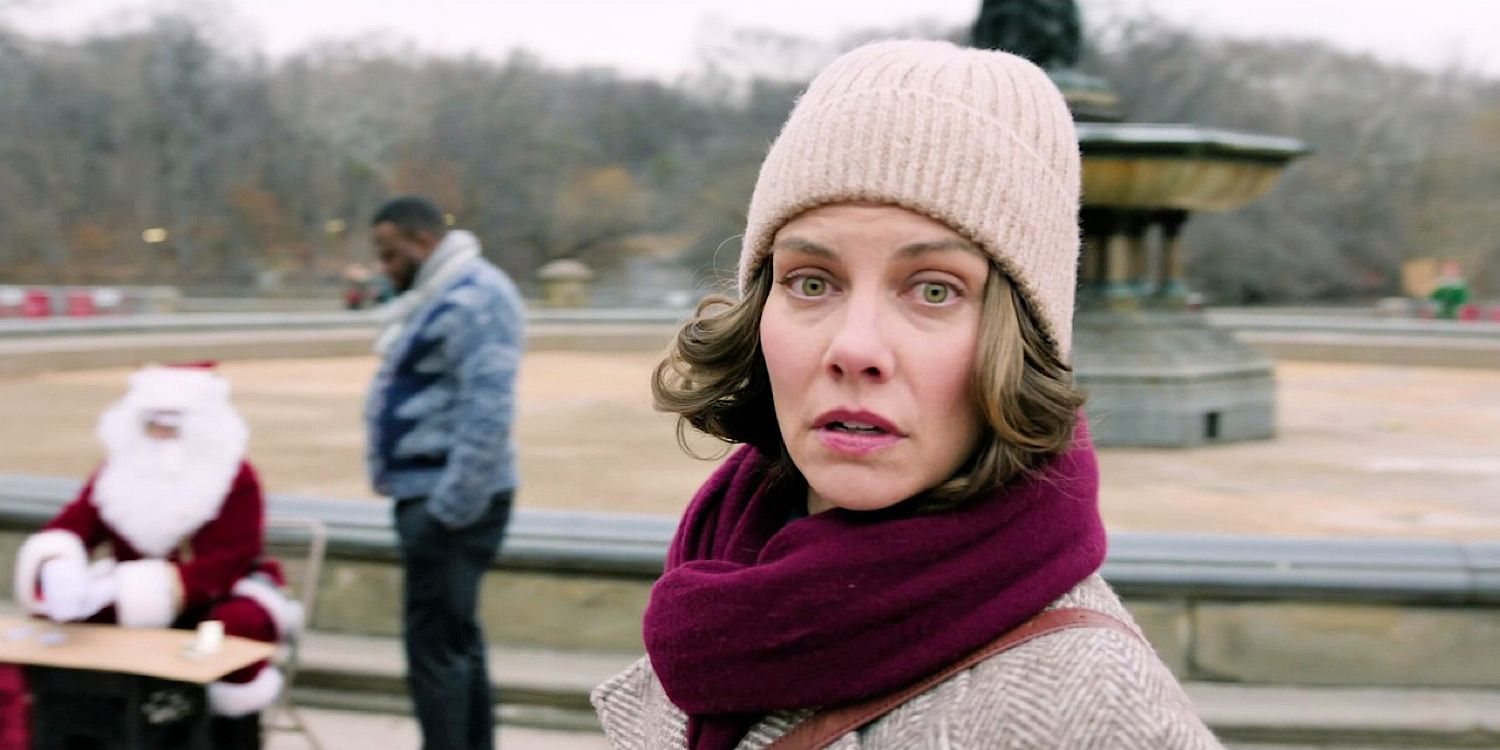
“Genesis” opens in an alternate present-day New York where the zombie outbreak never occurred. Maggie Greene is still dealing with the loss of members of her family, but her life looks completely different. Beth Greene is alive and trying to build a career in music. Shawn and Hershel Sr. have both died, while Glenn Rhee never existed in this reality.
Maggie is struggling to keep the family farm financially stable while also dealing with a separation from a man named Danny. Her problems aren't supernatural or life-threatening. They're ordinary adult problems involving money, family, and the pressure of carrying something that may no longer be sustainable.
Negan has taken an entirely different path. He's a successful corporate consultant who spent two years in prison after assaulting an abusive man named Alan. He also has an estranged son, Joshua, who he has failed to remain close to.
The differences are immediately fascinating because the episode doesn't simply recreate familiar characters in new circumstances, but instead it asks what these people might have become if the apocalypse had never forced them into survival mode. There are plenty of references to The Walking Dead's history along the way, including the phrase “Last Day on Earth,” a batting cage, Shawn, and even the idea of Negan as a PE teacher.
Seeing Beth alive again is easily one of the episode's most emotional touches. Emily Kinney's return gives the episode a connection to the original series that goes beyond simple fan service.
Maggie and Negan Meet "Again"
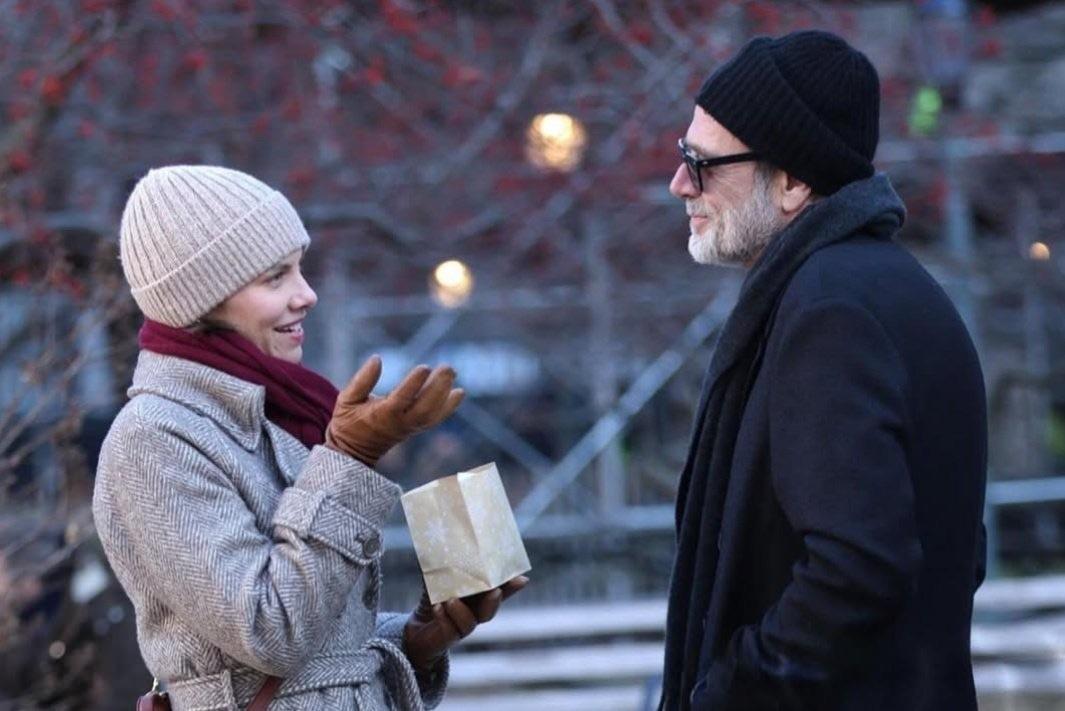
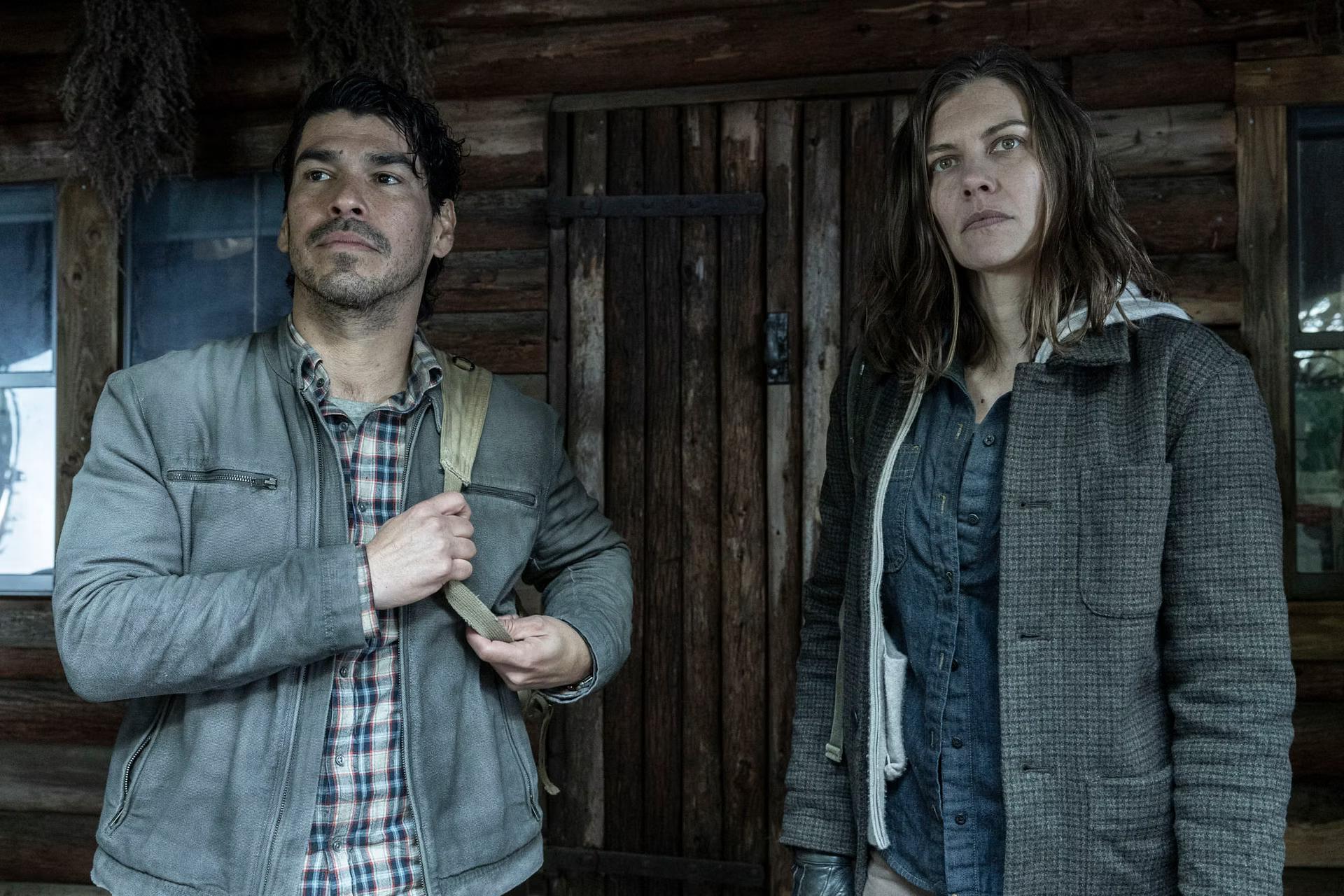
Maggie and Negan eventually cross paths at a New York diner. There's no blood feud between them here. No Glenn, Lucille or Hilltop. They're simply two strangers that end up spending the day together, and the chemistry between them becomes surprisingly natural. Negan approaches Maggie's problems from a business perspective, helping her look at the farm as a failing business rather than an emotional responsibility.
In the real world, Maggie constantly challenges Negan's morality while Negan forces Maggie to confront her obsession with the past. Here, without all that history between them, they naturally become people who can identify each other's weaknesses. Lauren Cohan and Jeffrey Dean Morgan have always had strong chemistry, but it's especially obvious here. What's tragic is that Maggie and Negan seem almost perfectly suited to help each other become better people. They simply never get that opportunity in their actual lives.

 Join the Spiral
Join 2,000+ Sci-Fi Fans and Get daily SciFi news, reviews, and updates straight to your inbox
We respect your privacy. Read our privacy policy. Unsubscribe anytime.
The Fortune Teller Explains Their Connection

Their unusual day eventually takes them to a fortune teller. The reading tells Maggie that she's trapped in a “karmic cycle” and has just met someone extremely important.
The fortune teller explains that certain souls are destined to cross paths repeatedly in different lives. They continue meeting until they finally learn whatever lessons they're supposed to teach one another. The episode never suggests that this is literally happening across different universes, instead, the idea works as a metaphor for their relationship.
Maggie and Negan have been trapped in the same emotional cycle for years. They hurt each other, try to move forward, find themselves pulled back together, and then repeat the process. I really liked this scene because it puts into words what Dead City has been exploring since the beginning: Maggie and Negan are not enemies anymore; They're two people who have become deeply connected through tragedy, whether they want that connection or not. Of course, Negan immediately undercuts the seriousness of the moment with his usual crude humor, including a joke about whether the two of them should just sleep together. It's very Negan, and the joke keeps the scene from becoming too heavy.
They Still Can't Escape Who They Are
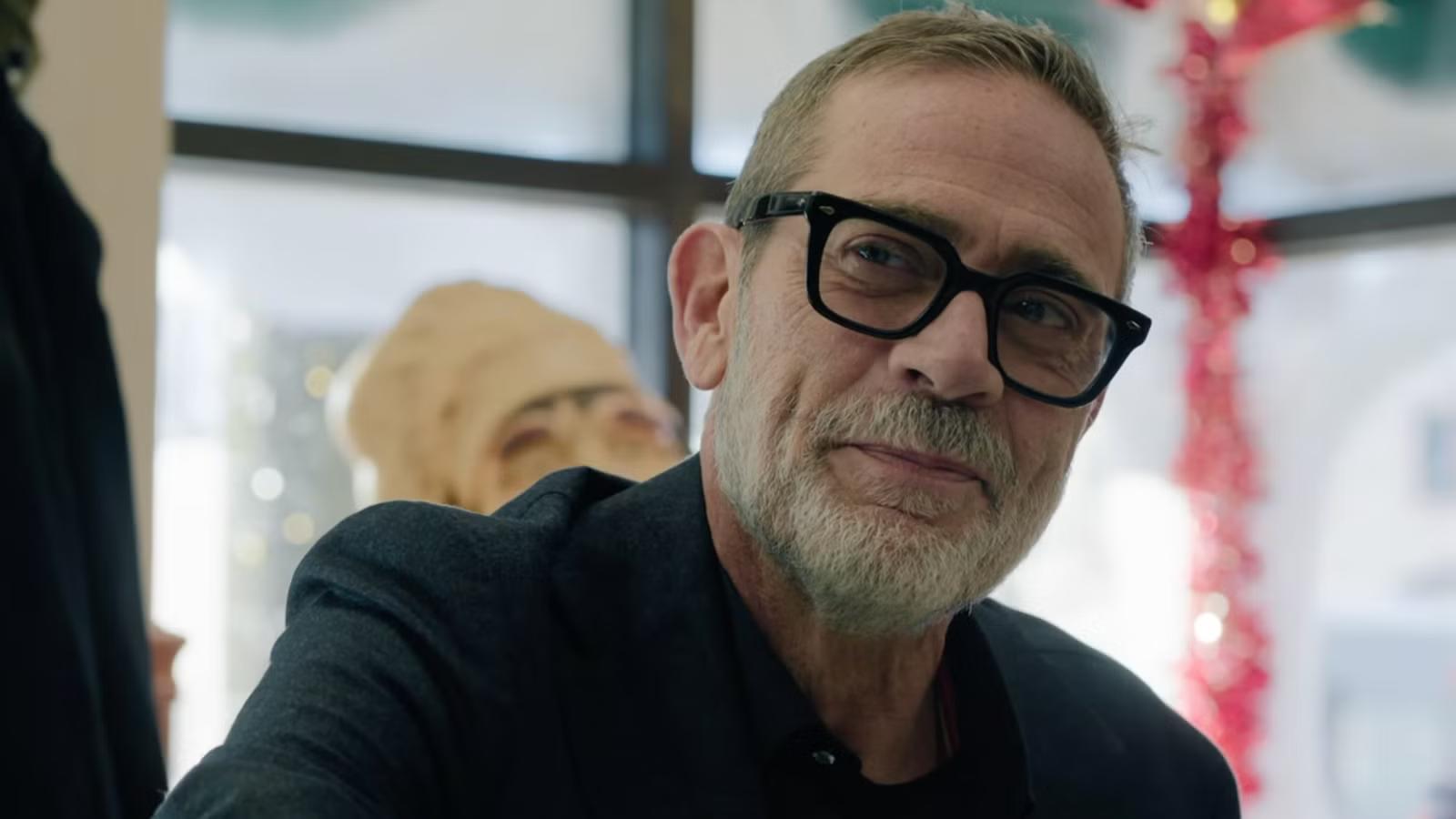
The most important part of this episode is what happens after Maggie and Negan begin influencing each other. Maggie encourages Negan to reconnect with Joshua and for once, Negan listens.
He calls his son and begins trying to connect. It looks like he might finally make a decision that puts his family ahead of his own destructive instincts. Then he hears Alan nearby; Alan is the abusive man Negan previously assaulted and went to prison for attacking. The moment Negan realizes he's there; he hangs up on Joshua, confronts Alan, and fires a gun.
Negan had just been given another chance. He could have chosen his son. Instead, he chooses violence. That's the tragedy of Negan in almost every version of his life. Even without the apocalypse, he still sees himself as a protector, and that instinct can quickly turn into an excuse for violence.
Maggie falls into her own pattern. She initially decides to sell the farm and finally let go of the responsibility that has consumed her life. But when a loan officer tells her that she can bypass her ex-husband's signature, Maggie immediately changes course, and she grabs onto the farm again. Neither of them can escape themselves.
The Gunshot Brings Us Back to Reality
The gunshot becomes the bridge between the two realities. The episode cuts away from the alternate world and returns us to the brutal reality of Dead City! Hershel Jr. tells Maggie that Fabian is dead because Negan shot him in the head.
The situation gets even worse... Hershel also claims that Negan violently attacked Dillard, slashing his face open. Now Maggie and Hershel are rushing to get to a hospital as the situation around them spirals out of control.
Final Thoughts on the Alternate Reality Episode
There’s no getting around the biggest criticism of this episode: it doesn't really move the main Dead City story forward. Almost everything that happens in this alternate reality has little direct impact on the conflict in Manhattan, and the episode doesn't give us major answers that change the season's central story. In that sense, it feels like fan service. Beth is back and we get to see Maggie and Negan live completely different lives while the episode plays with callbacks to The Walking Dead's history. If you're watching only for the main plot, the episode is arguably unnecessary.
But I still enjoyed it. The episode takes a huge creative swing instead of giving us another hour of walkers, violence, and political conflict in Manhattan. It asks a simple question—what would Maggie and Negan be like if the apocalypse had never happened?—and actually commits to exploring the answer.
I also have to give Seth Hoffman credit for being willing to try something this unusual. So yes, “Genesis” is probably unnecessary when it comes to the main story. But unnecessary doesn't mean bad. I’d rather see Dead City take a strange, ambitious swing like this and occasionally miss than play it completely safe. And in this case, I think the experiment works well enough to justify its existence.
 Ava Harper