Analysis
Dune 3 Trailer Breakdown - Paul’s Fate, Time Jump & Concerns
The official trailer for Dune: Part Three arrived on March 17, and it immediately pushes the story far ahead. Seventeen years have passed since Dune: Part Two. Paul Atreides now sits on the throne as Emperor, carrying the weight of a war that spread across the galaxy in his name.
That jump allows new characters to grow into the story, especially Alia and the twins, while also forcing us to face a version of Paul who has already made his worst decisions.
But the jump also creates a visible issue..
The cast does not fully sell those seventeen years. The film leans on spice exposure to explain their slow aging, and while that idea works within the world, it still feels noticeable when you watch the trailer. The choice to use subtle makeup instead of heavy CGI or recasting shows restraint, and that restraint is admirable, but it comes with trade-offs.
At the same time, delaying production would have made things worse. The actors are already older than their characters were earlier in the story. Waiting longer would have pushed the film into recasting territory, which would break continuity far more than slightly unconvincing aging.
Paul Atreides and the Trap He Cannot Escape
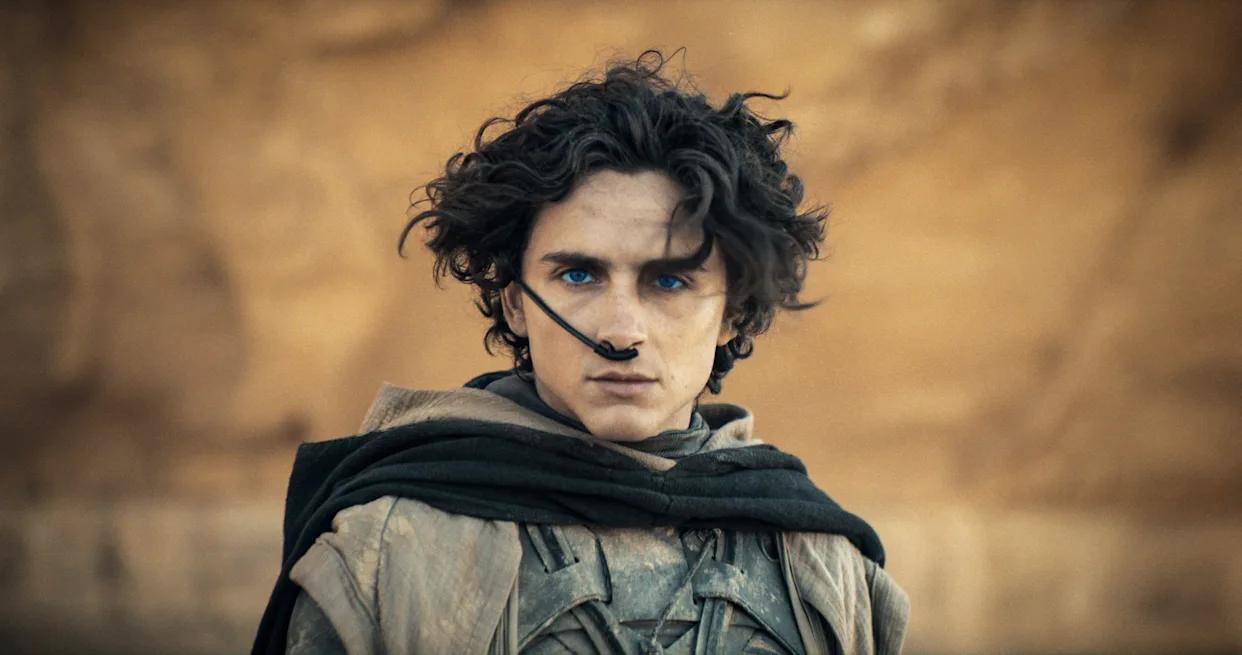
Paul, played by Timothée Chalamet, stands at the center of everything, but his conflict is no longer about gaining power, it is now about being unable to step away from it.
The story draws heavily from Dune Messiah, where Paul’s prescience becomes a prison. He can see possible futures, but those visions limit his choices instead of expanding them. Every path leads to consequences he already understands, and yet he keeps moving forward.
This idea has not been explored deeply enough in the earlier films. That absence is noticeable. If the third film treats Paul as a ruler who simply lost control, the character loses depth. His tragedy depends on inevitability, not corruption.
The film has a chance to fix this by focusing on the “prescience trap”. Without it the emotional core of the story weakens.
Lady Jessica’s Limited Presence Carries More Purpose Than Screen Time
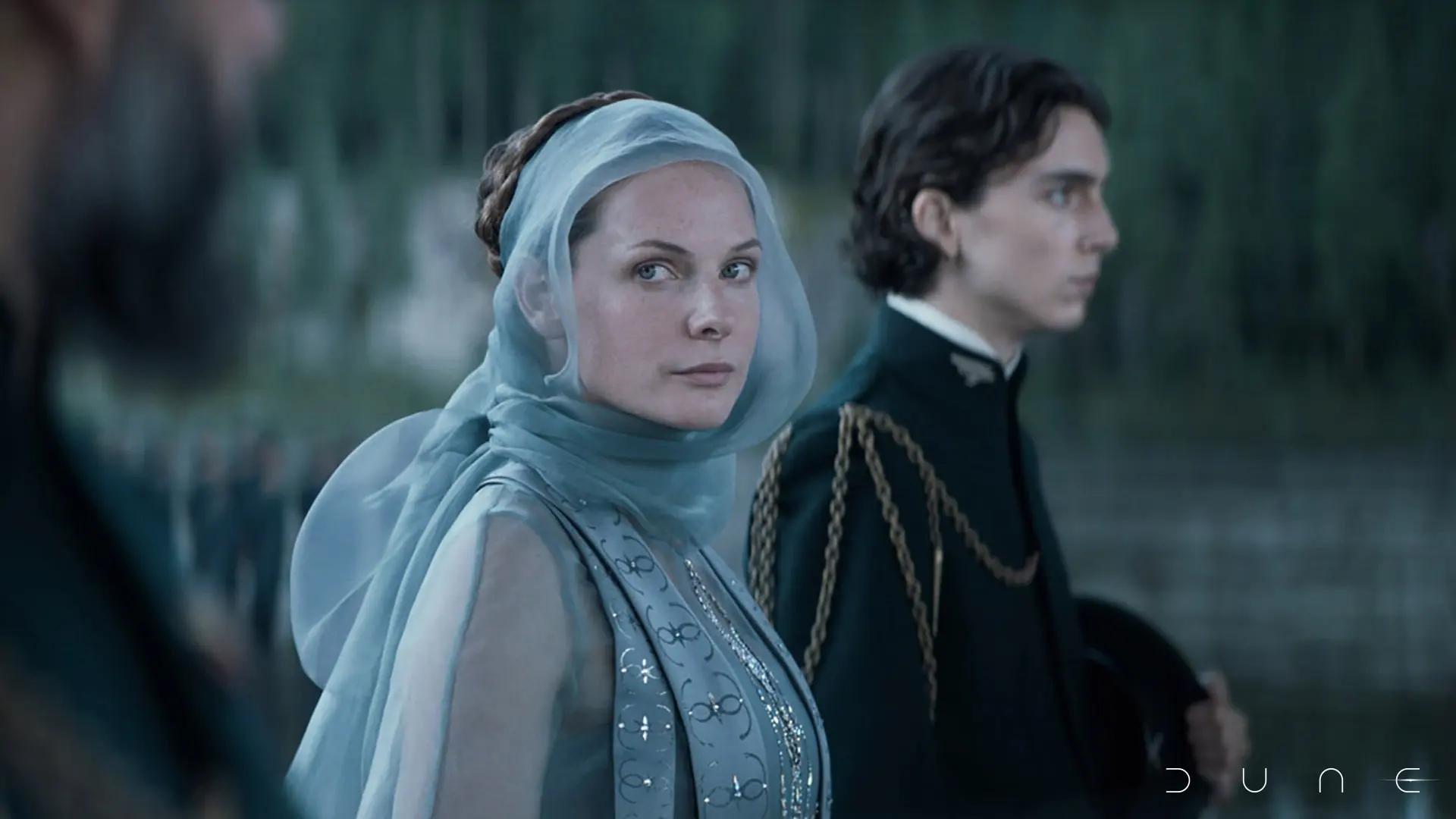
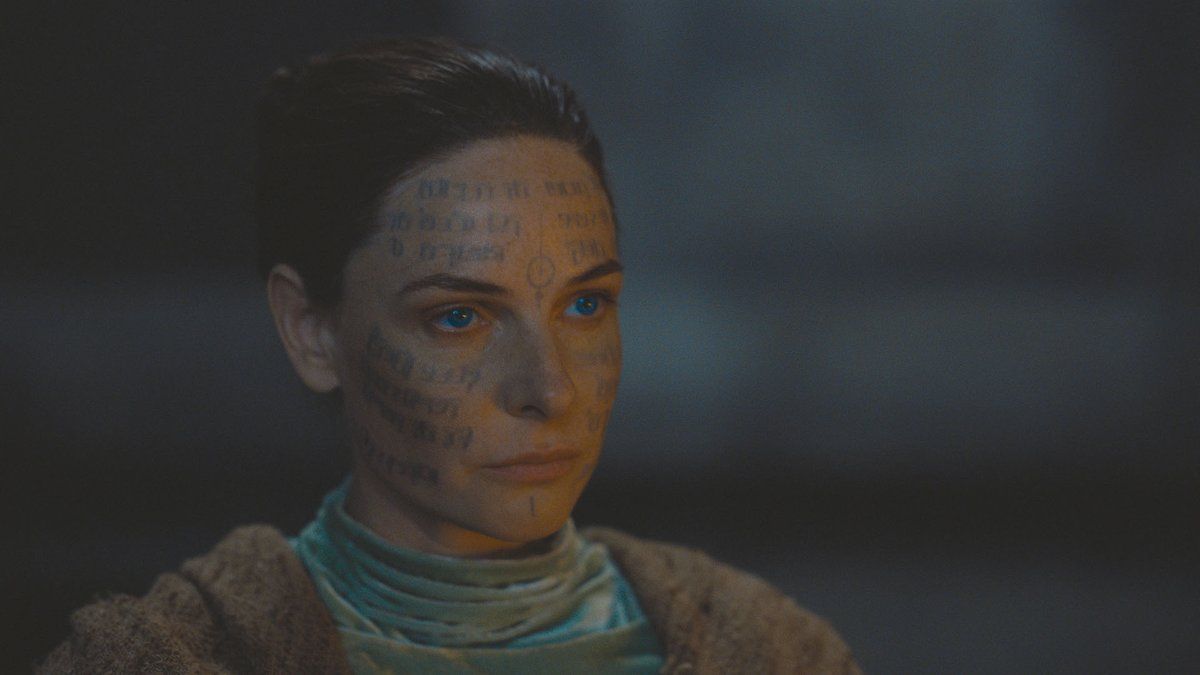
In Dune: Part Three, set for release on December 18, 2026, Lady Jessica’s role is significantly reduced, but that reduction feels deliberate rather than limiting. Rebecca Ferguson confirmed that she appears in only a single scene, despite the character being largely absent from Dune Messiah. Director Denis Villeneuve chose to create this moment specifically for the film, which suggests that its impact matters more than its duration.
What we’ve seen so far points to a scene set on Caladan, where Jessica confronts Paul with a line that cuts directly into the film’s central conflict: his father never ruled through a galaxy-spanning war. That contrast reframes Paul’s journey in a way the earlier films only hinted at. It is no longer just about power or destiny, but about divergence—about how far he has moved from the legacy he inherited.
In Frank Herbert’s original novel, Jessica remains off-screen, her return to Caladan mentioned but never explored. Bringing her back, even briefly, creates something the book never needed but the film benefits from—a direct emotional bridge between the beginning and the end. Her presence does not reshape the plot, but it sharpens its meaning, grounding Paul’s transformation in memory, regret, and the quiet weight of what was left behind.
 Join the Spiral
Join 2,000+ Sci-Fi Fans and Get daily SciFi news, reviews, and updates straight to your inbox
We respect your privacy. Read our privacy policy. Unsubscribe anytime.
The War That Shapes Everything but Stays in the Background
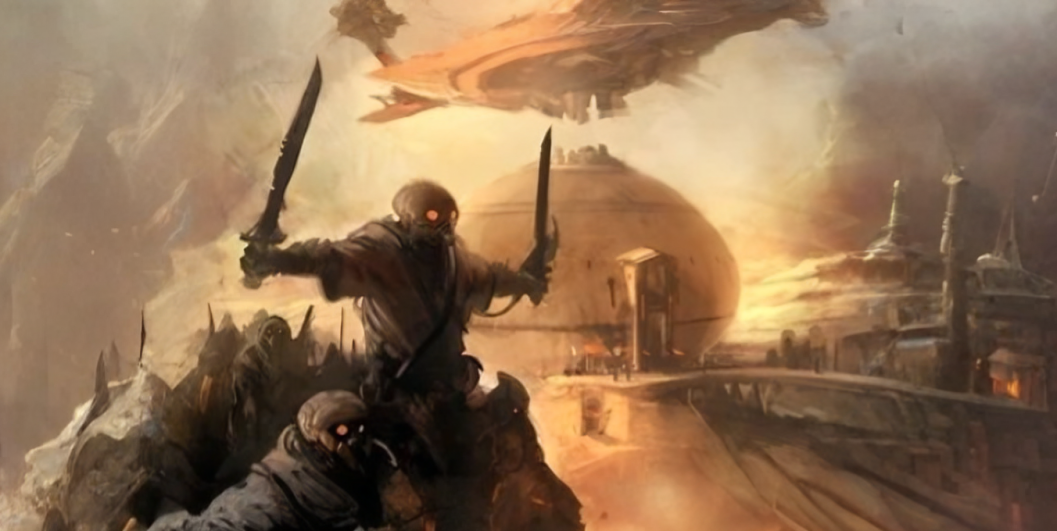
Between the second and third films, the war has already reshaped the universe. Entire planets have been affected. Billions of lives changed. Cultures rewritten under Paul’s rule. Yet most of this remains off-screen.
That choice keeps the focus on politics and internal conflict, which aligns with the source material, but it also removes a major visual and emotional bridge for viewers who have not read the books. Seeing more of that war would create a clearer connection between Paul’s rise and the state of the universe now.
Chani, Irulan, and a Fractured Relationship
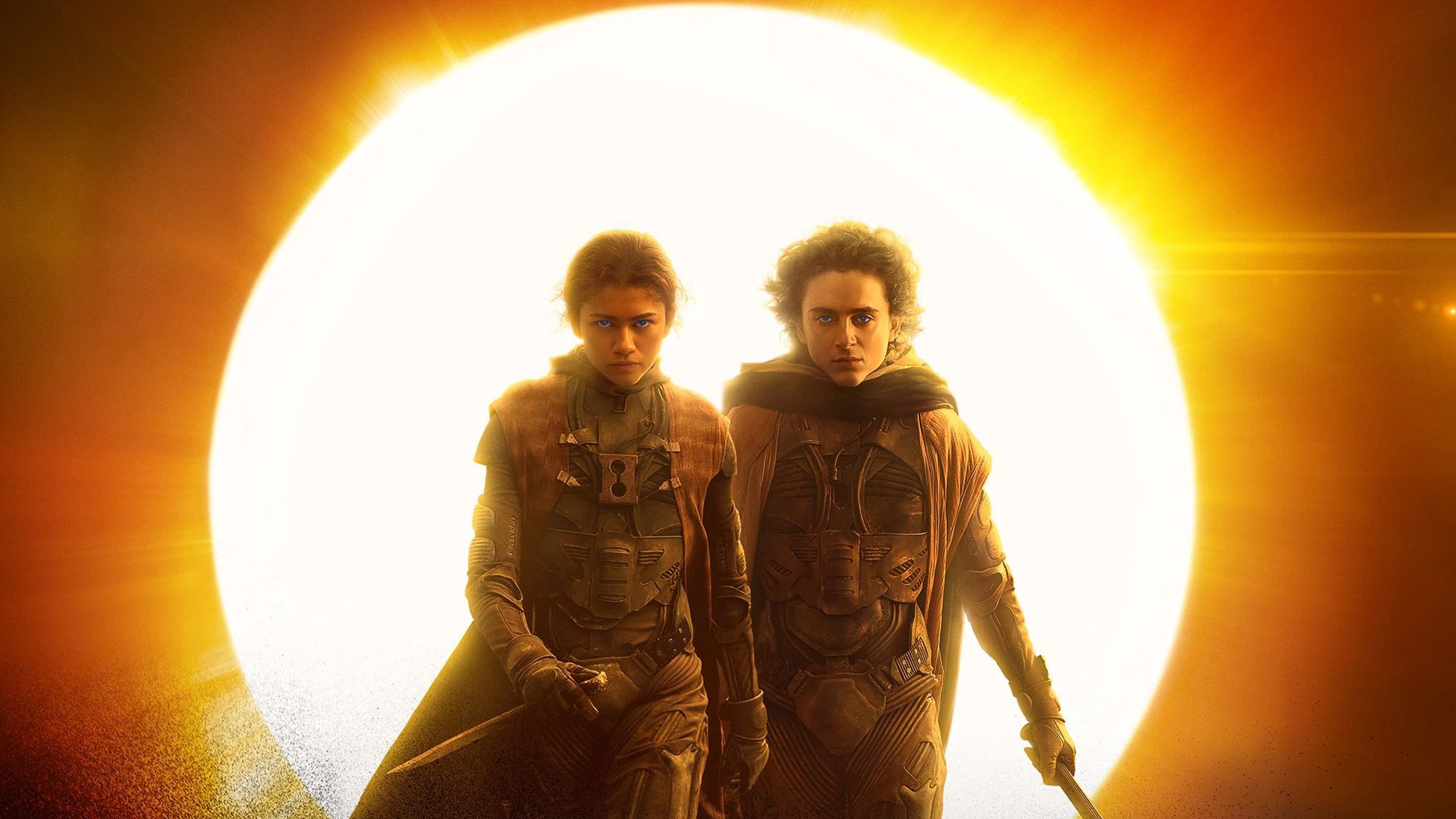
The relationship between Paul and Chani carries the emotional weight of the story. Zendaya returns as Chani, and the tension from the previous film continues to grow rather than fade.
If the story resolves their conflict too easily, especially through something like pregnancy, it weakens Chani’s position. Her reaction at the end of the second film came from principle. She saw what Paul was becoming and rejected it. That should not disappear quickly!
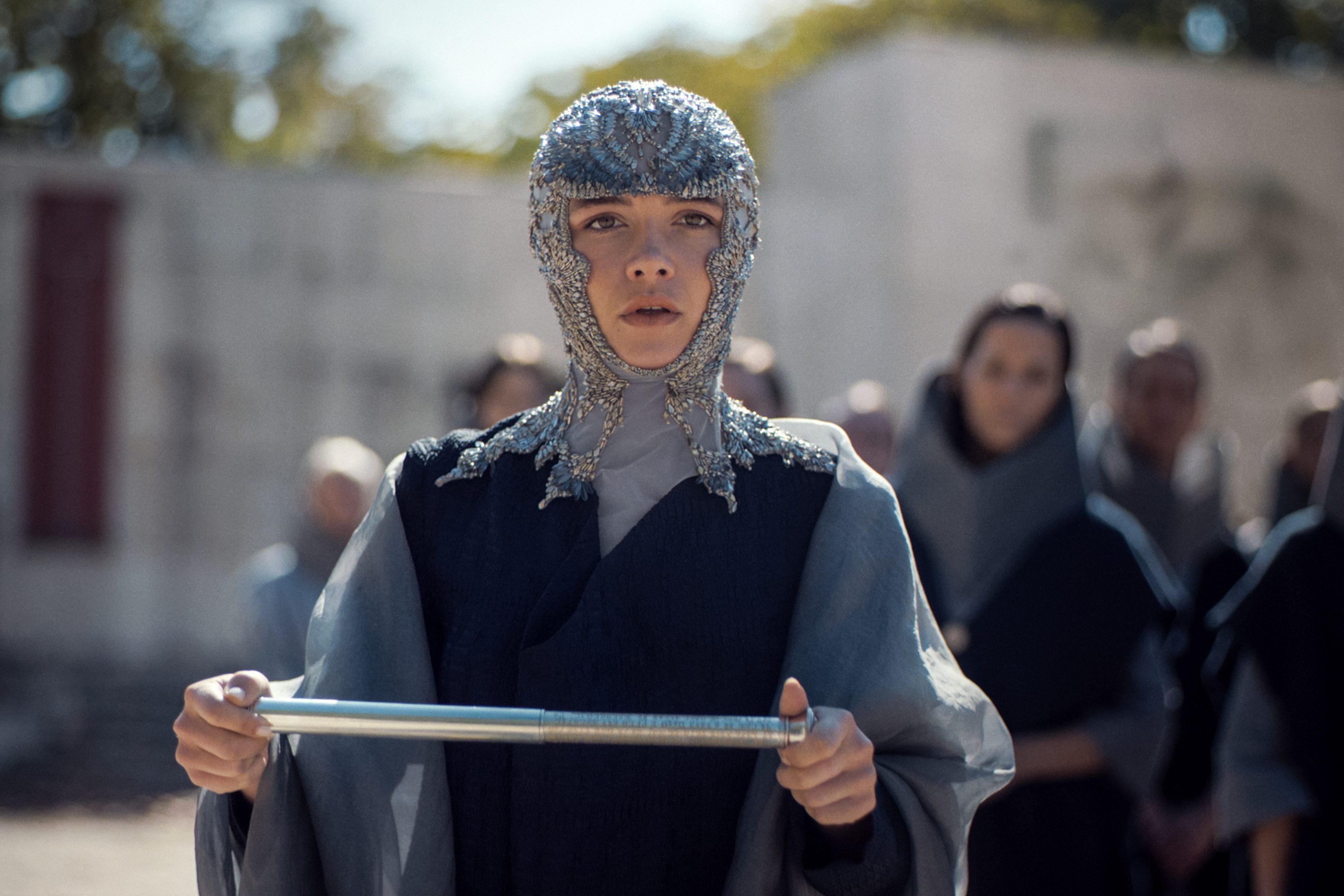
Princess Irulan, played by Florence Pugh, gains a larger role this time. Her position near the throne adds a political edge that can turn personal conflict into something more dangerous. A darker interpretation of her character would raise the stakes and make every interaction feel calculated.
Alia and the Expansion Beyond One Book
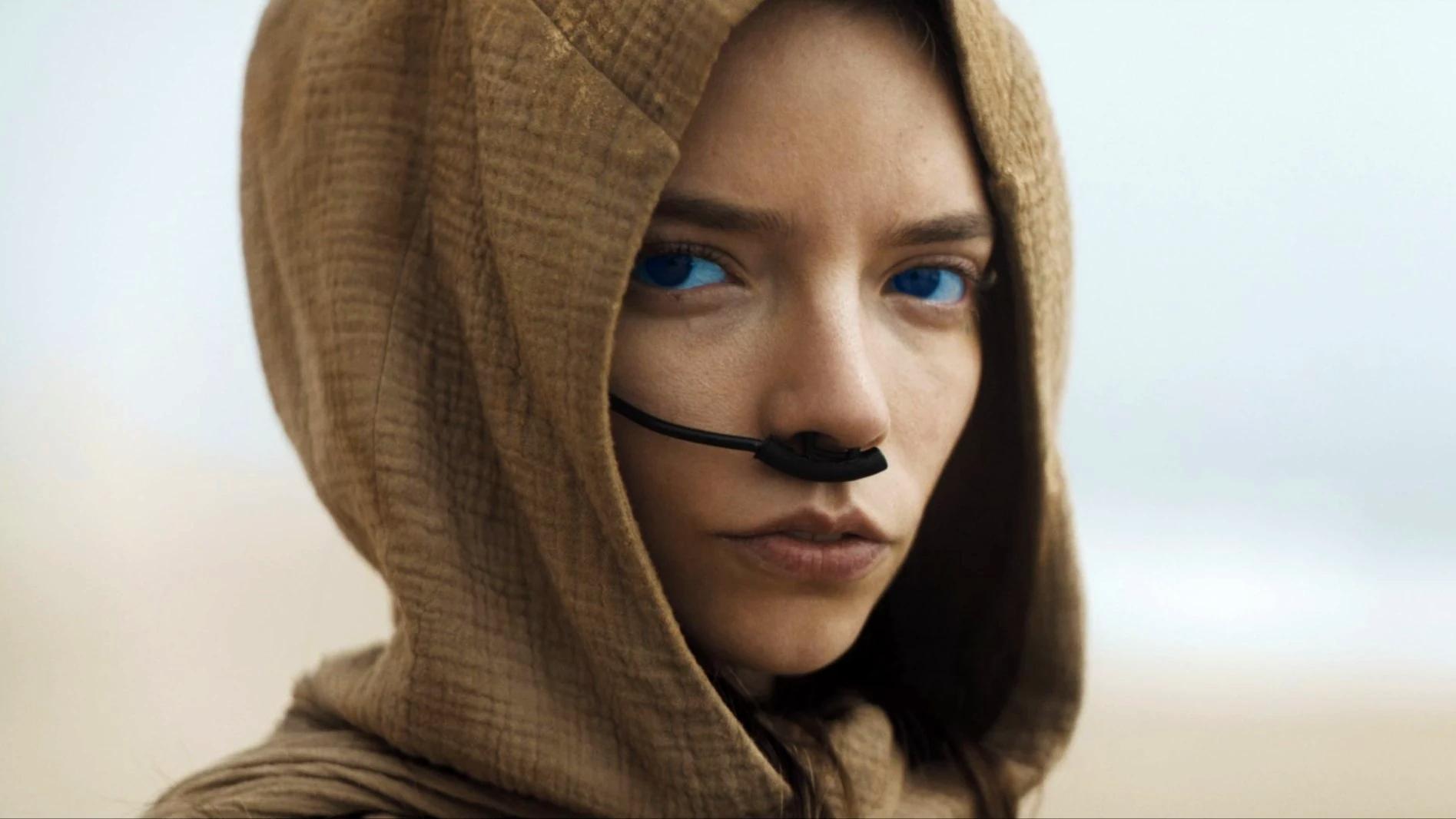
The inclusion of Alia, portrayed by Anya Taylor-Joy, signals a shift in tone. Her condition, shaped by ancestral memories before birth, introduces instability and unpredictability into the story.
The twins, Leto II and Ghanima, appear as teenagers, which confirms that the film pulls material from Children of Dune as well. This explains the title choice.
Calling the film Dune: Part Three instead of Messiah suggests a broader approach. The story is not a strict adaptation. It is a constructed ending designed to complete a trilogy. That approach works better for film, especially since Dune Messiah on its own feels more like a continuation than a full conclusion.
More Action and the Risk That Comes With It
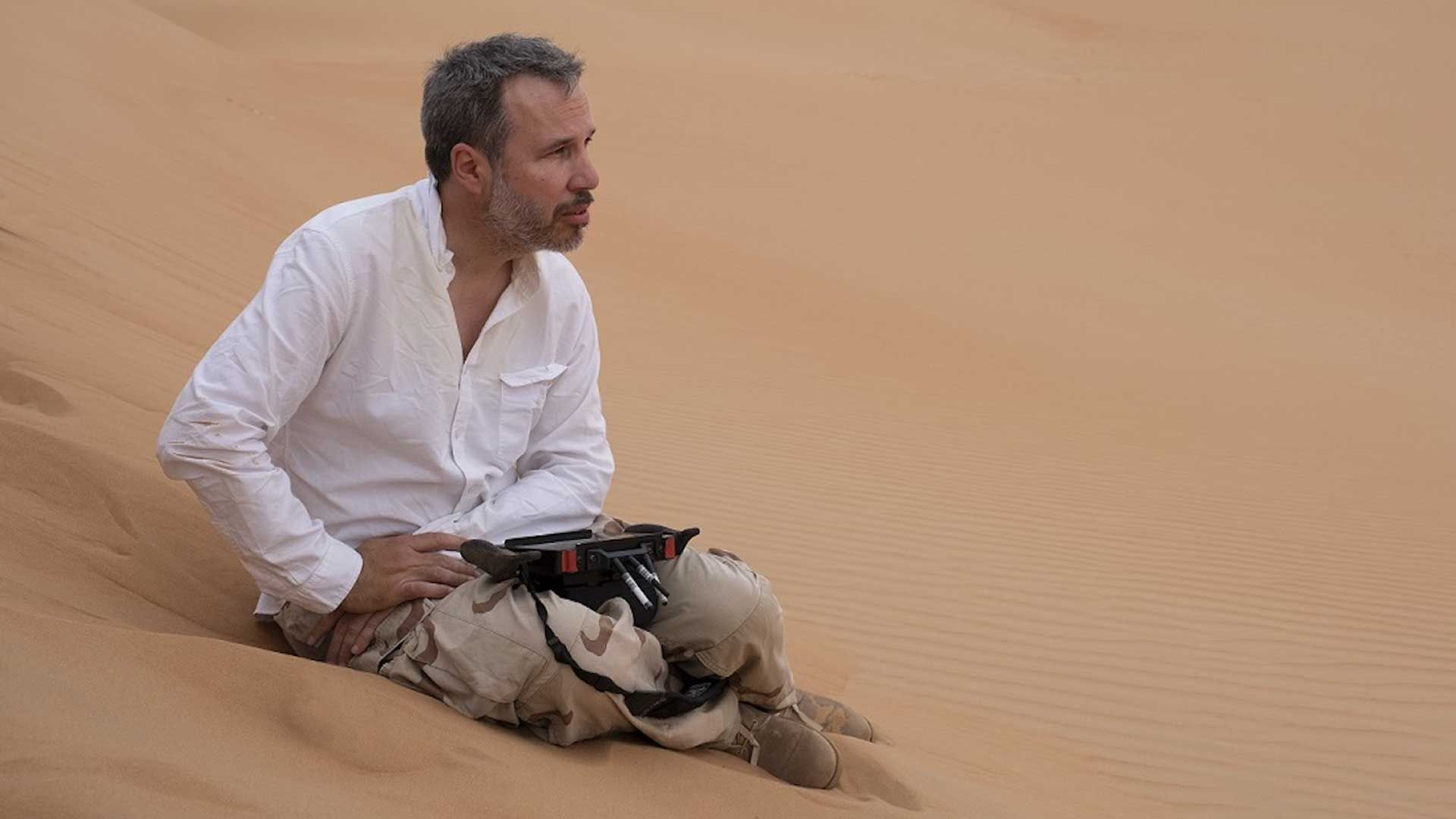
Denis Villeneuve described the film as more intense and action-driven. That direction raises a concern.
The earlier films already leaned heavily into action. They looked impressive, but sometimes moved away from the deeper, stranger elements that define the world. The politics, the philosophy, the uncomfortable ideas—those are essential to the identity of Dune. Increasing the action further could shift the balance too far.
The story works best when it allows space for those ideas to breathe. Without that space, the narrative becomes simpler, and the complexity that makes it memorable starts to fade.
A Final Chapter That Needs to Carry the Weight
This film is meant to close the trilogy, that decision brings pressure.
The first two books were designed as a continuous story. Ending everything here requires careful choices about what to include and what to leave behind. Expanding beyond Messiah helps, but it also increases the risk of losing focus.
Still, some changes are necessary.
A direct translation of the book would not fully work on screen, especially when the goal is to create a satisfying ending. As long as the film keeps the spirit of the source material, those changes can strengthen the story rather than weaken it.
What matters most is how it handles Paul’s journey, not as a rise and fall.
As a path he saw coming, understood completely, and followed anyway.
 Ava Harper